26th April 2024
We left the mountains of Dasyueshan and Wushe with 29 of Taiwan’s 32 endemic birds under our belts. These are the birds that are found only in Taiwan and nowhere else in the world. With the slightly alarming earth tremors and the relentless rain hopefully behind us, we descended back into the tropical heat and humidity of lowland southern Taiwan for some coastal and wetland birding before hitting Taiwan’s most spectacular mountains towards the end of the tour. Our objective was the three remaining endemics, plus numerous other special birds of eastern Asia.

Our first stop was a spectacular temple and park near the town of Puli, where we had hardly disembarked from our minibus before new birds made it onto the trip list: Striated Swallow, White Wagtail (of the far eastern Amur subspecies), White-rumped Shama (a common bird in mainland Asia, but in Taiwan the feral population is derived from escapees from Asia’s harmful cage-bird trade), and Silver-backed Needletail (a high-flying swift picked out amongst the ubiquitous House Swifts flying overhead).
Taiwan Blue Magpies were well represented here, with 12 of these gorgeous corvids seen together. Other signs that we were back in the lowlands were the incessant hollow ‘Tok’-ing call of Taiwan Barbets – the signature sound of the island, and the reappearance of Malayan Night Herons. Four adults were seen, plus a chick in a nest – my third nest of this supposedly difficult-to-see species!
However, the star bird of this location was the striking Maroon Oriole, with a distinctive Taiwanese subspecies that is sure to be split off as Taiwan’s next endemic species. We saw at least two males and two females of this showy red and black bird flying around the treetops.
27th April 2024
Last night we were treated to the nicest hotel of the tour but, at 2.10am, I felt the strongest, most prolonged earth tremor so far.
As we drove towards the coast we picked up some introduced Asian Glossy Starlings and made our first stop at Guantian Important Wetland. This was a series of lagoons protected for the population of Pheasant-tailed Jacanas that breed here. This was a rare chance to see these ‘lily-trotters’ in their breeding plumage with, rarely among birds, the females having brighter plumage than the males.
As well as the Jacanas we also saw a few species that are familiar to European birders: Black-winged Stilt, Little Grebe, Northern Shoveler, Moorhen, Common Kingfisher, Yellow Wagtail and Wood Sandpiper.
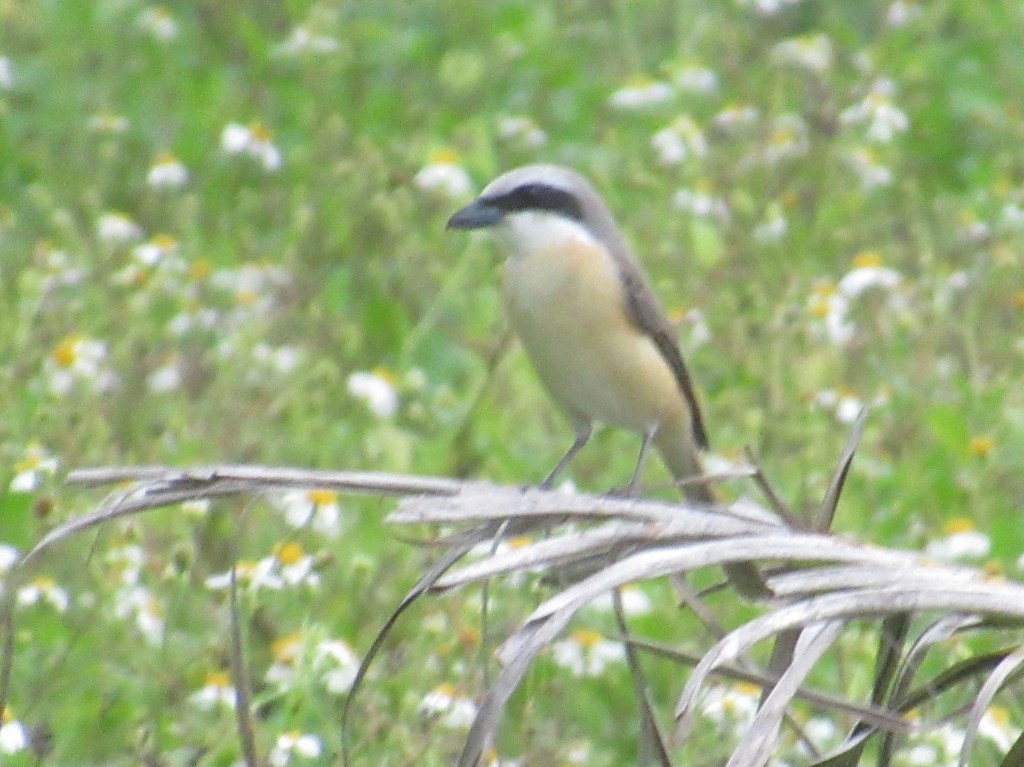
Less familiar were Plain Prinia, Grey-throated Martin, Cinnamon Bittern, Brown Shrike, Chestnut-tailed Starling (introduced), Scaly-breasted Munia, and Chinese Sparrowhawk, plus some Oriental Pratincoles flying overhead (a lifer for me).
In the agricultural land just outside the reserve we could hear Common Pheasants calling and we spent some time walking along the field edges until we found first a female and then two males fighting. Much to the amusement of the rest of the group, I had been looking forward to seeing these birds because, despite the release of millions every year in the UK by the shooting industry, this was the first time I had seen genuinely wild pheasants within their native range. Taiwan also hosts an endemic subspecies.
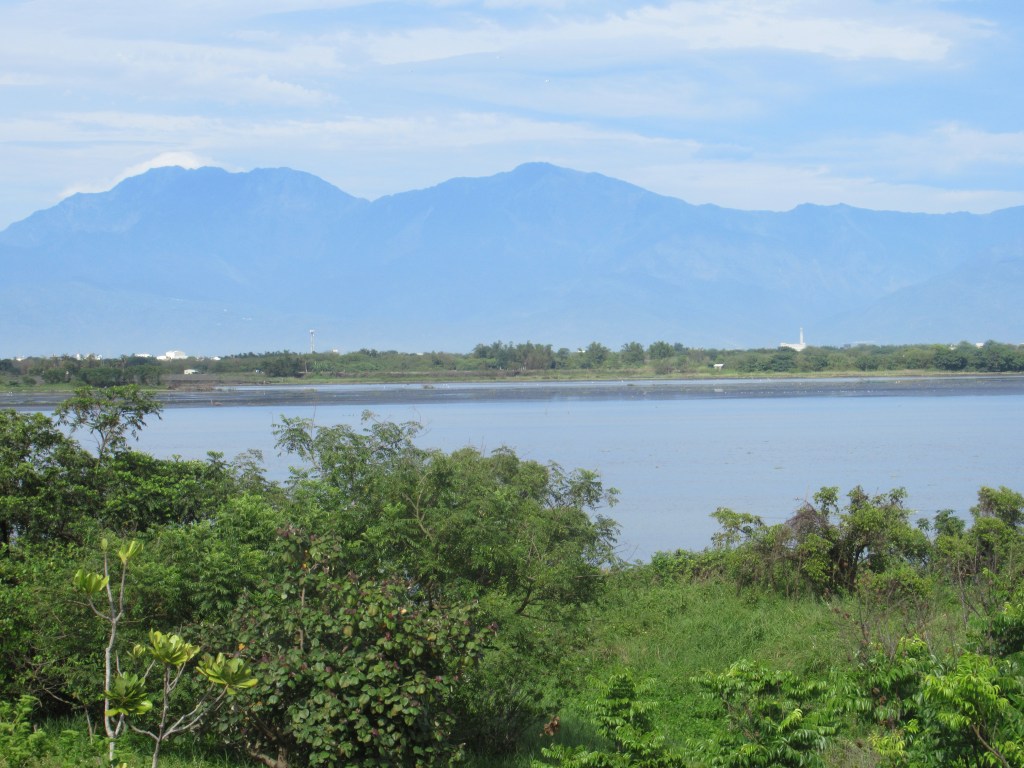
Back in the minibus, we settled in for a long drive south, arriving at the Kao Ping River in the early afternoon. Here we spent a couple of hours scanning the estuary for the numerous waterbirds. Top of the list was Black-faced Spoonbill – a very range-restricted species breeding mostly in North Korea and wintering in a fairly limited area of coastal China and Taiwan. Fortunataly there are still decent numbers hanging on here in spring.
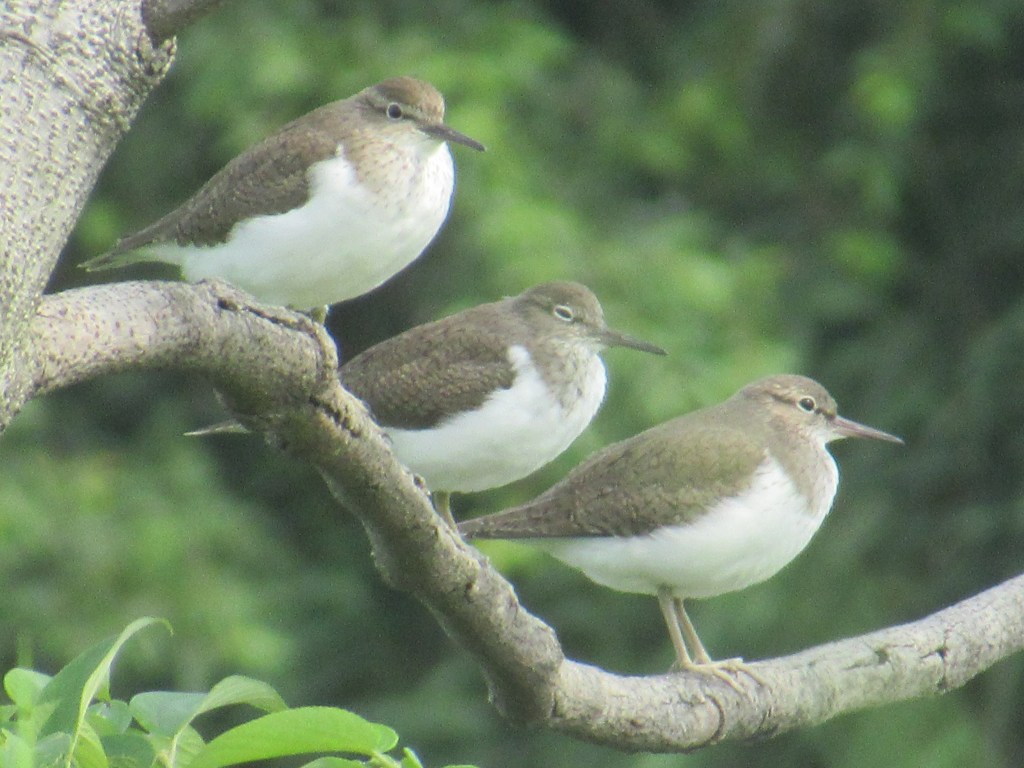
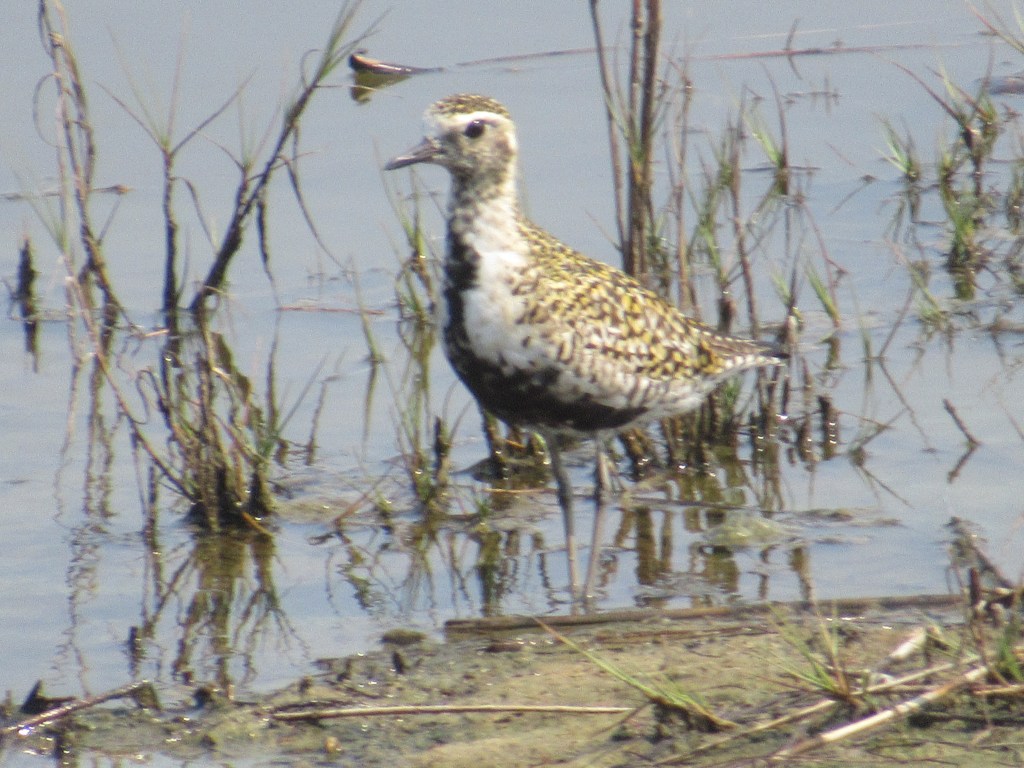
Another new bird for me was Asian Dowitcher, with at least ten of these declining birds seen amongst large numbers of other migratory shorebirds: Whimbrel, Greenshank, Pied Avocet, Marsh Sandpiper, Black-tailed Godwit, Red-necked Stint, Common Redshank, Great Knot, Kentish Plover, Curlew-sandpiper, Common Sandpiper, Terek Sandpiper, Curlew, Grey-tailed Tattler, and Pacific Golden Plover.
Terns were represented by Greater Crested Tern, Whiskered Tern, White-winged Tern, Little Tern, and Gull-billed Tern. Great Egrets and Grey Herons were commonly seen, as well as three of the rare Chinese Egrets.
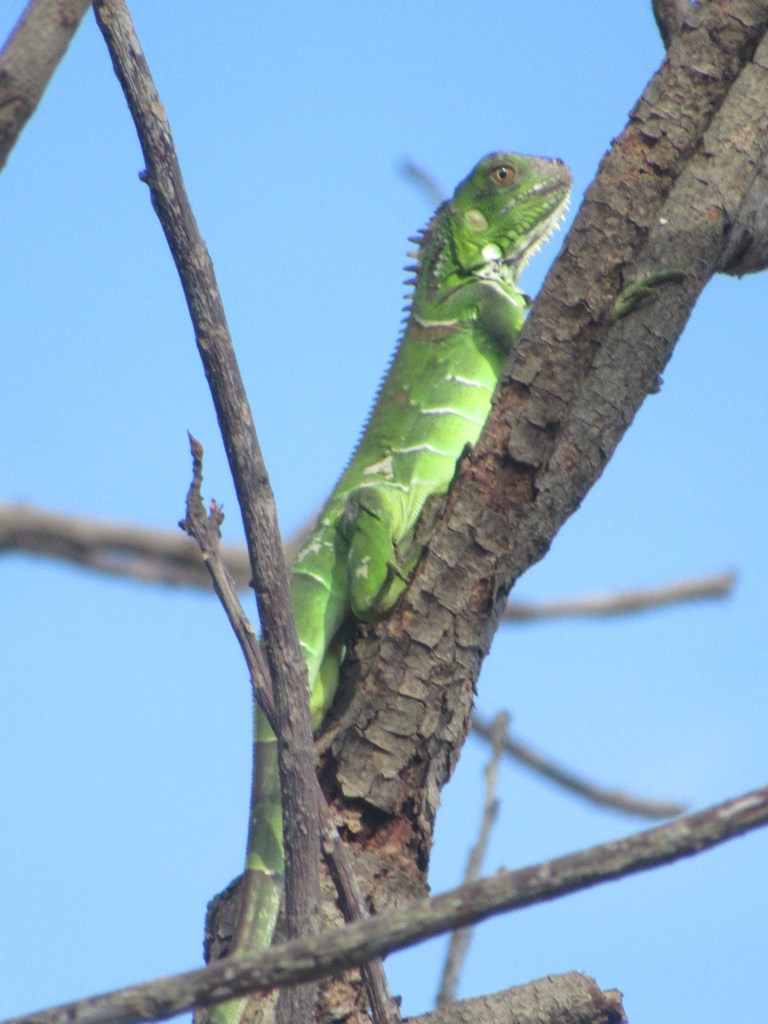
I was surprised to see a couple of Green Iguanas from South America, but it turns out they were introduced here and there are ongoing efforts to eradicate them.
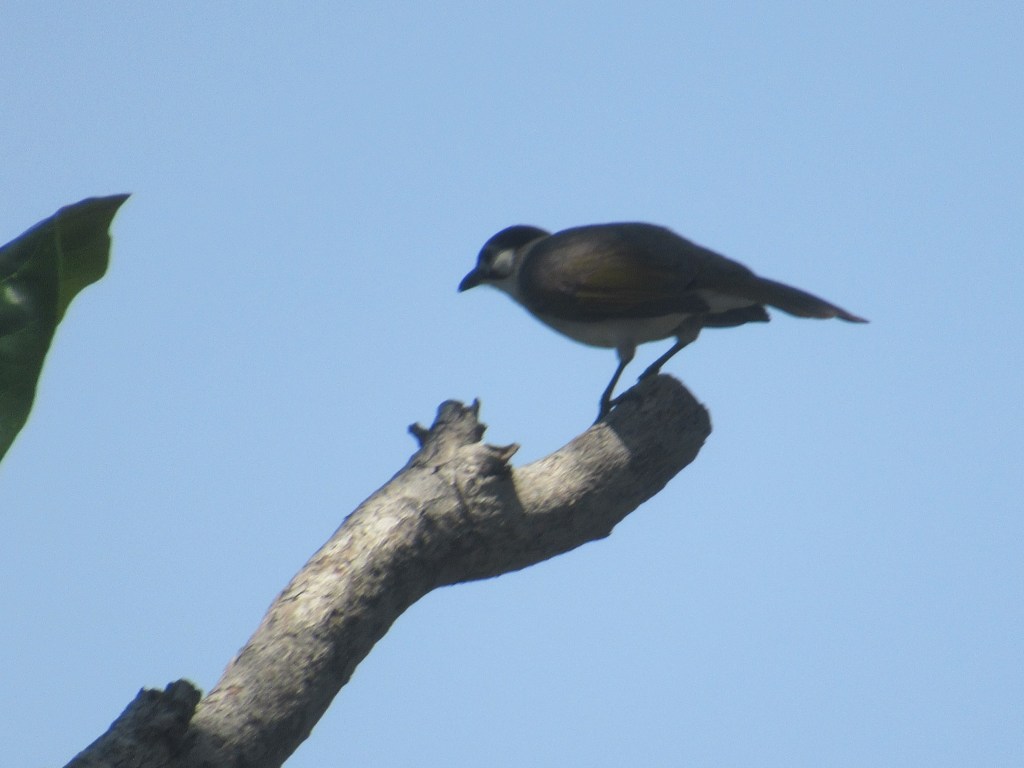
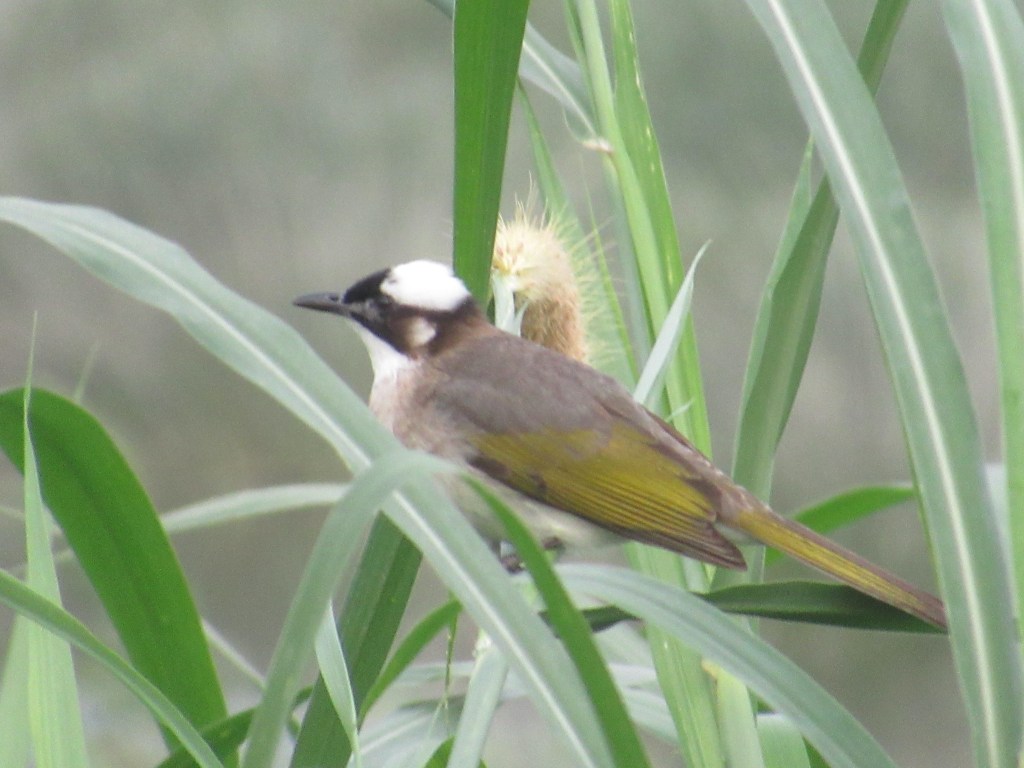
We still had a couple of hours driving until we reached our overnight stop in Kenting, at the southern tip of Taiwan. Here we saw our first endemic Styan’s Bulbuls, which are closely related to the abundant Chinese Bulbuls and are becoming rarer as they interbreed and hybridize with them. Fortunately they are still common and easy to see along the south-east coast, leaving us only two more endemics to find.
28th April 2024
We had an early start this morning to catch a ferry to the island of Lanyu off the south-east coast of Taiwan. Also known as Orchid Island, this small island is culturally different from mainland Taiwan. It is inhabited by the Tao People, who have an Austronesian origin and are related to the original native inhabitants of Taiwan, as well as the small islands off the north coast of the Philippines. The bird life here is also very different, sharing species with Japan and the Philippines.

The two hour crossing didn’t produce many of the expected seabirds, probably due to the calm sea conditions, but we did see Common Terns and a flock of about 20 Red-necked Phalaropes. Flying fish were much more common as well as some dolphins as we approached Lanyu – four unidentified individuals close to the boat and, more distantly, a pod of 50+ that were presumed to be Long-snouted Spinner Dolphins.


We only spent one night on the island, so the birding had to start immediately on arrival. Brown-eared Bulbuls were a lifer that turned out to be common, and a migrant Grey-streaked Flycatcher gave good views.
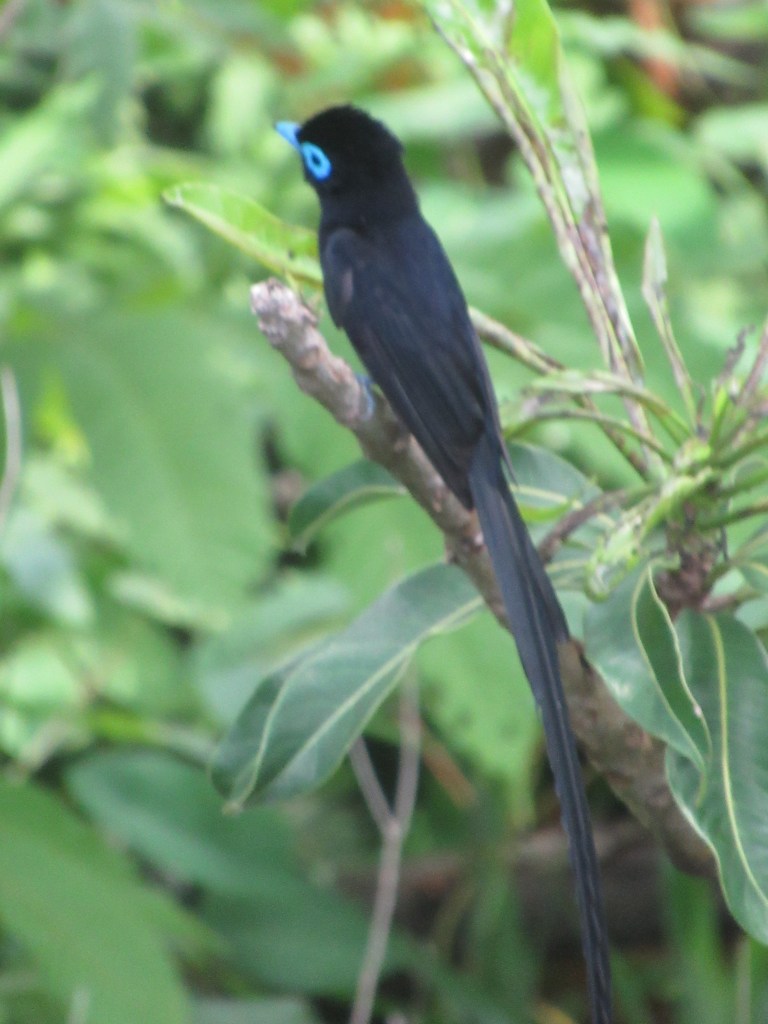
In a patch of woodland we found Taiwan Green Pigeon, Lowland White-eye, Philippine Cuckoo-dove, and Asian Emerald Dove, but the best sighting was Japanese Paradise Flycatcher. We saw at least seven of these beauties, including a couple of the long-tailed males and two juveniles being fed by their parents.
Along the coast road we picked up Pacific Swift, White-breasted Waterhen, Ruddy Turnstone, Blue Rock Thrush, Medium Egret, Pacific Reef Heron, migrant Chestnut-cheeked Starlings, Black Kite, and Osprey.
After lunch from a roadside stall, washed down with fresh coconut milk, we headed for a patch of woodland for some daytime owling. Ryukyu Scops Owl is common here and easy enough to find during the day. This tiny owl is found only here and in the Ryukyu Islands of Japan, but our one is thought to be a distinct species – Lanyu Scops Owl. We heard at least five of them in the immediate search area and soon found one staring down at us from above. Later it was joined in the tree by two more.

Northern Boobook is the other owl found here, but this one made us work harder for a sighting. We could hear one nearby but it took us a while to get halfway decent views through the foliage.
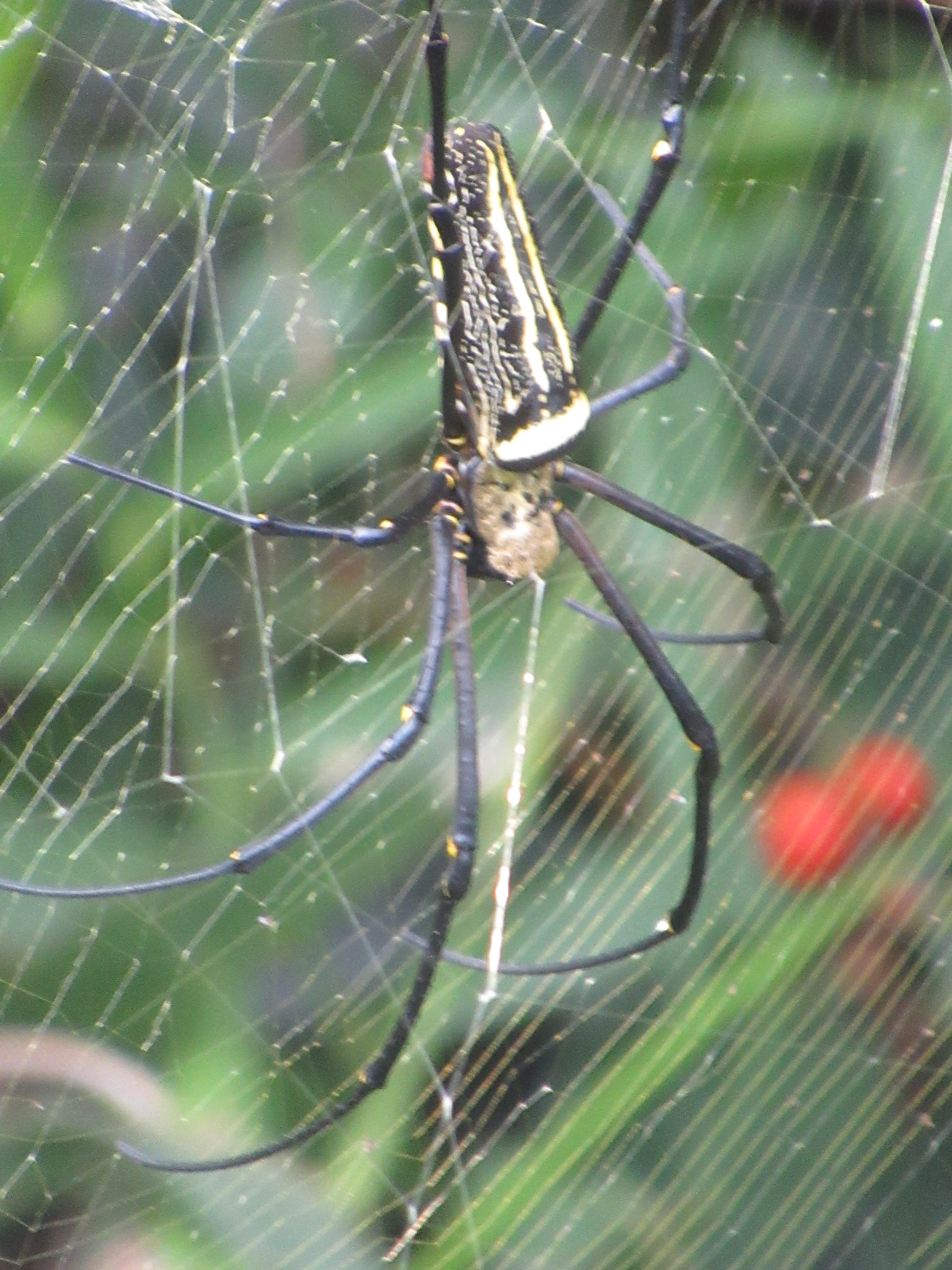
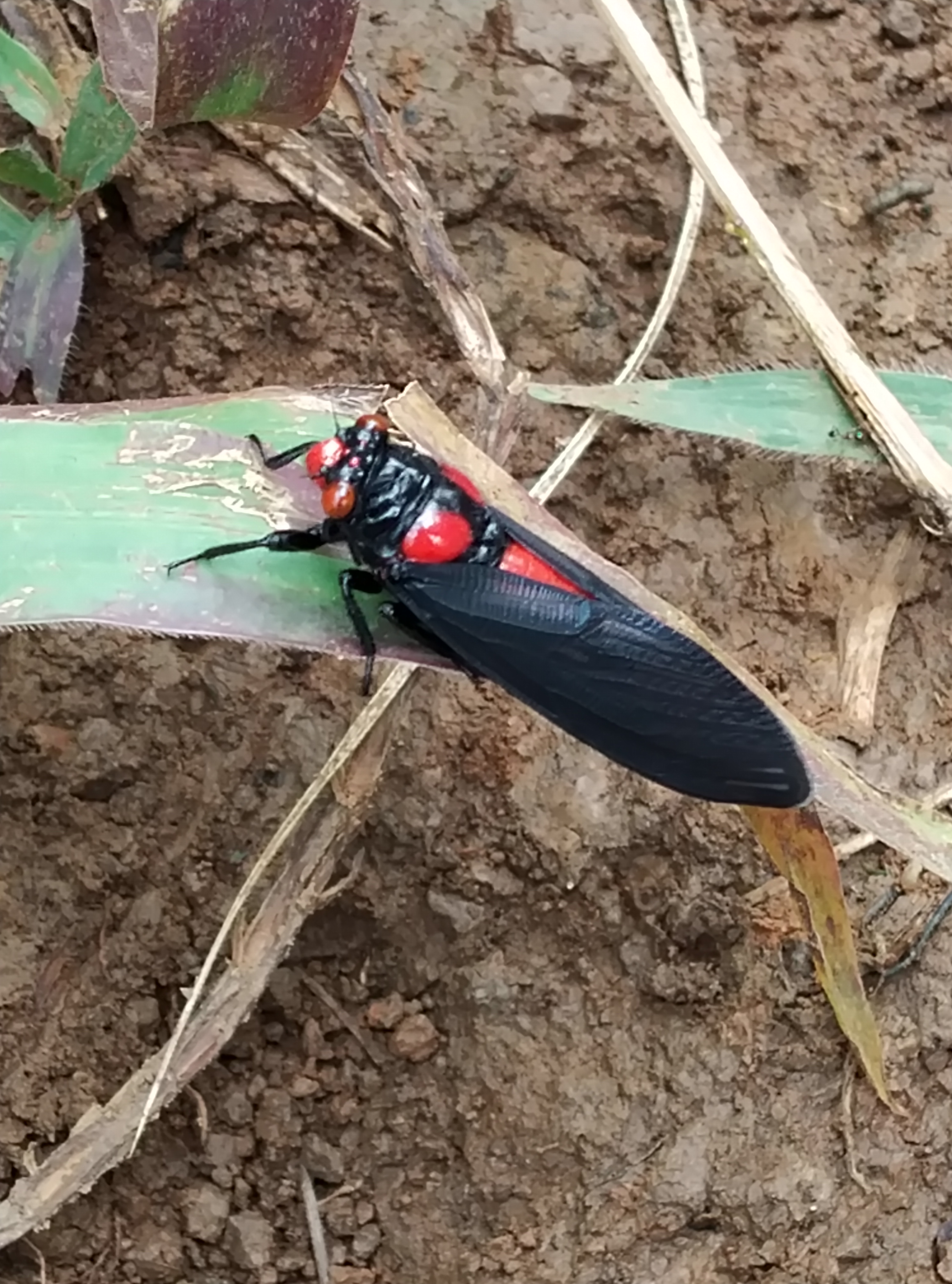
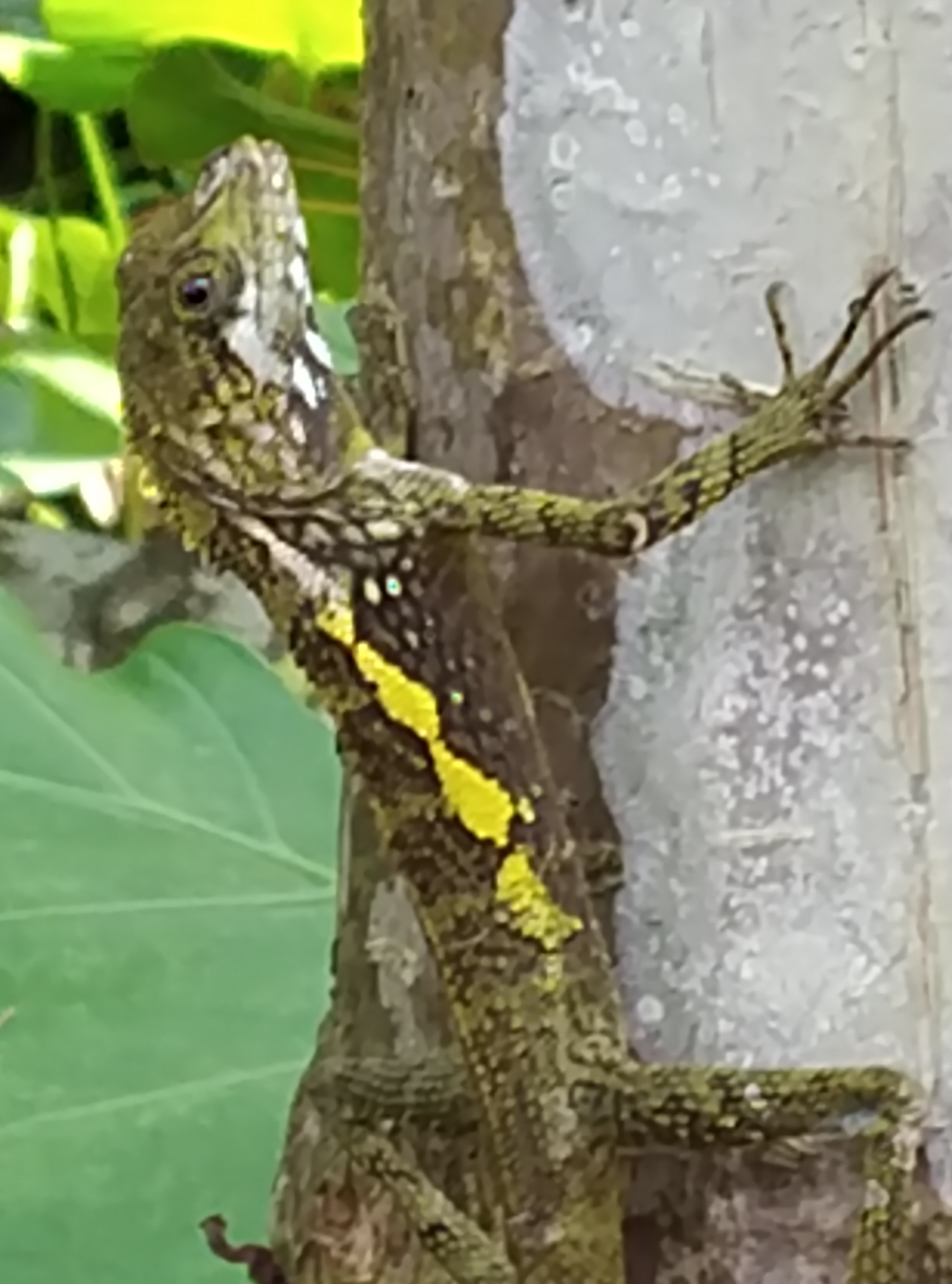
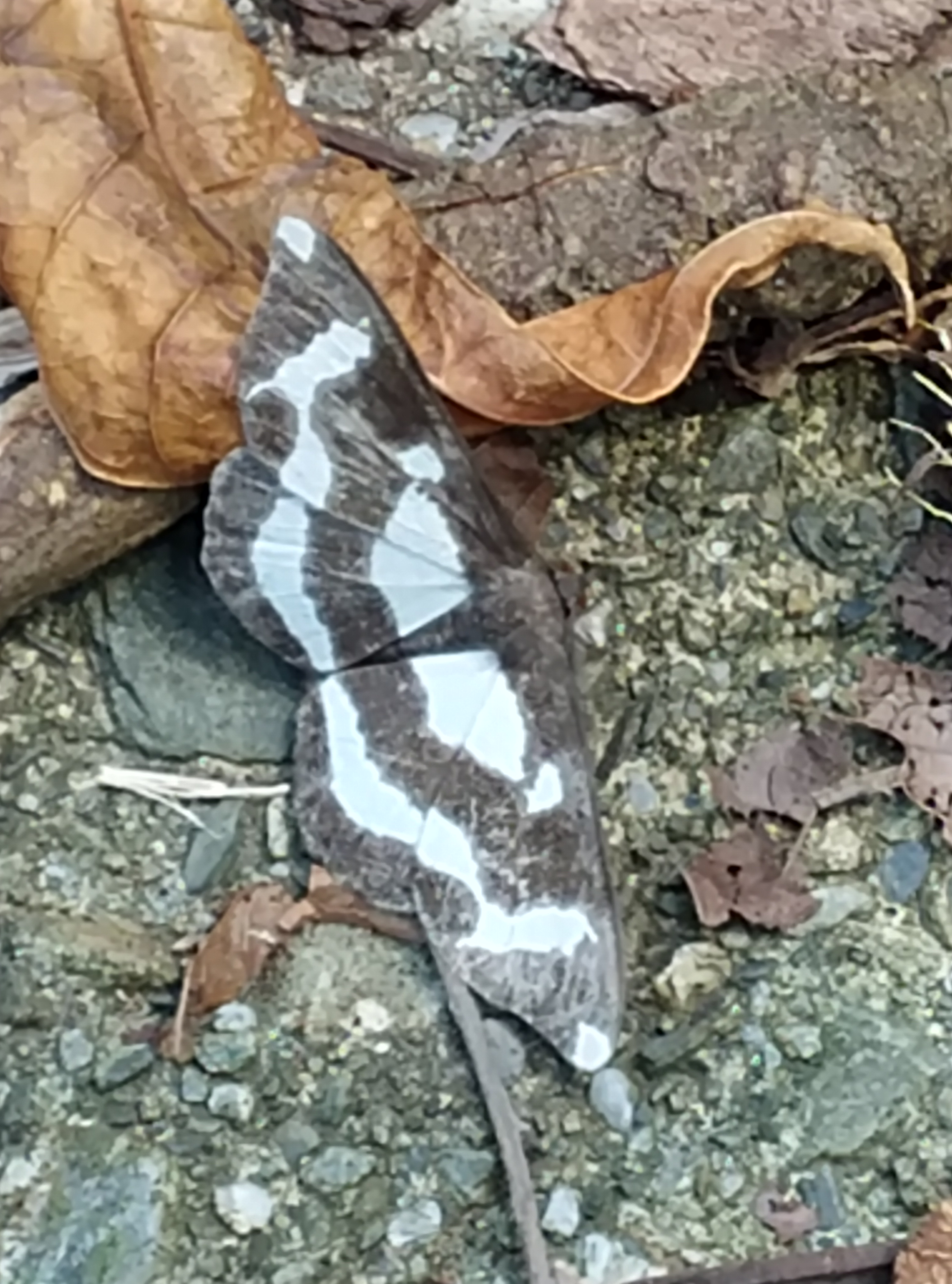
While looking for the owls, we encountered plenty of other tropical wildlife such as land crabs in the forest, big spiders, lizards, and various colourful insects including the spectacularly large Paper Kite Butterfly gliding slowly through the woods.
With both owls seen in daylight before 3pm we had time for some sight-seeing. We visited a traditional stone house, built partially underground as protection from typhoons. The owner welcomed us in the local island language, which even our Taiwanese guides didn’t understand, and showed us inside his low-ceilinged dwelling. The interior was divided into three spaces for different functions and there were rules about which areas could be used by men and women. Afterwards we walked down to the beach to see some traditional fishing canoes, which are an important aspect of the local culture.
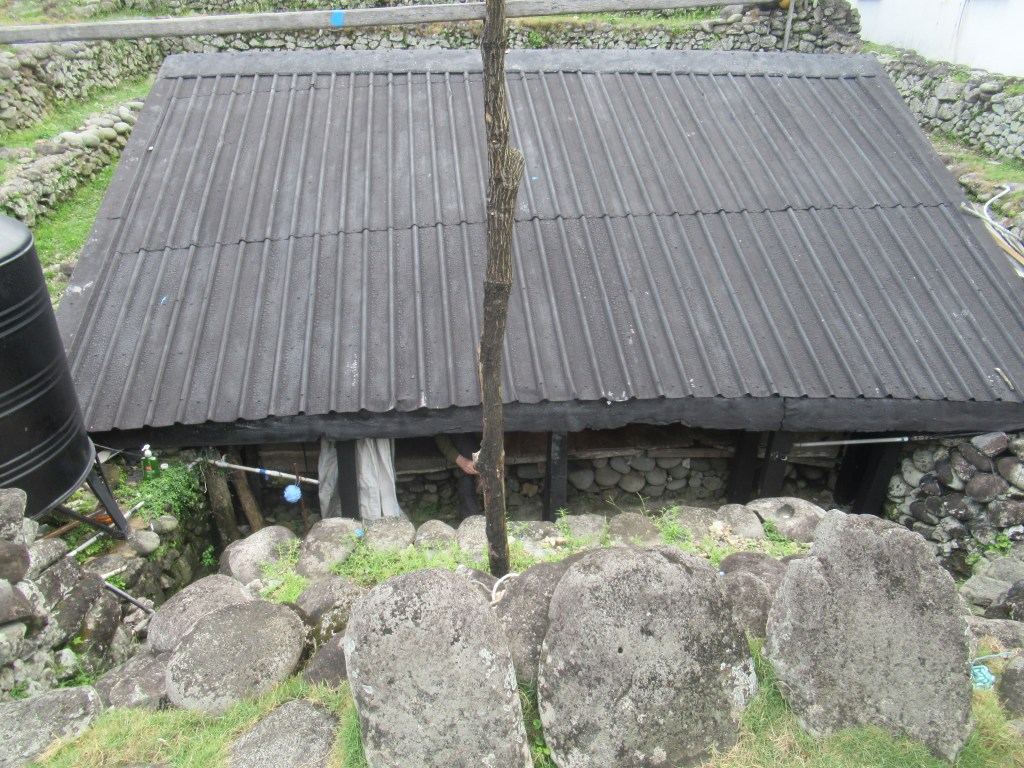
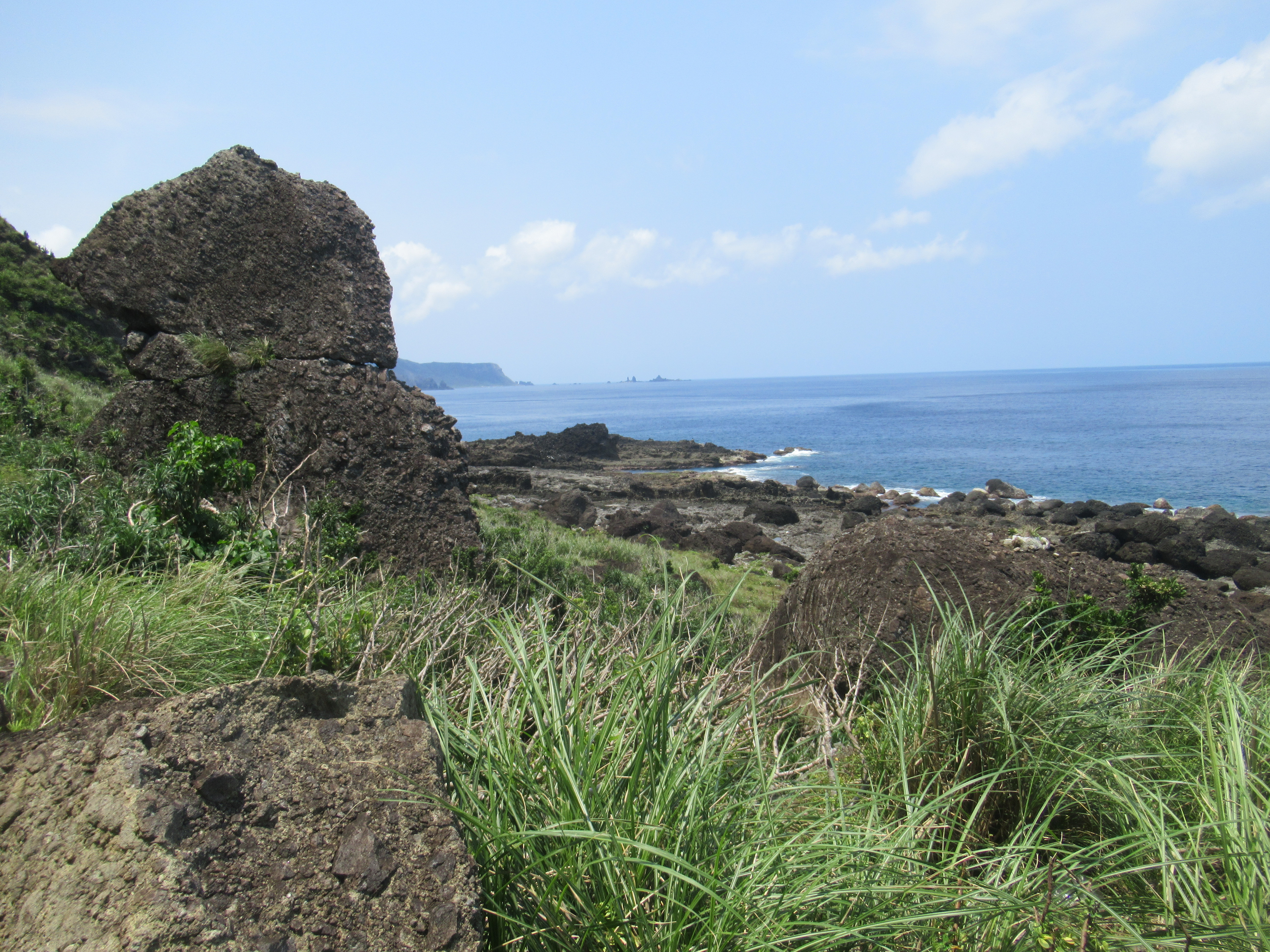
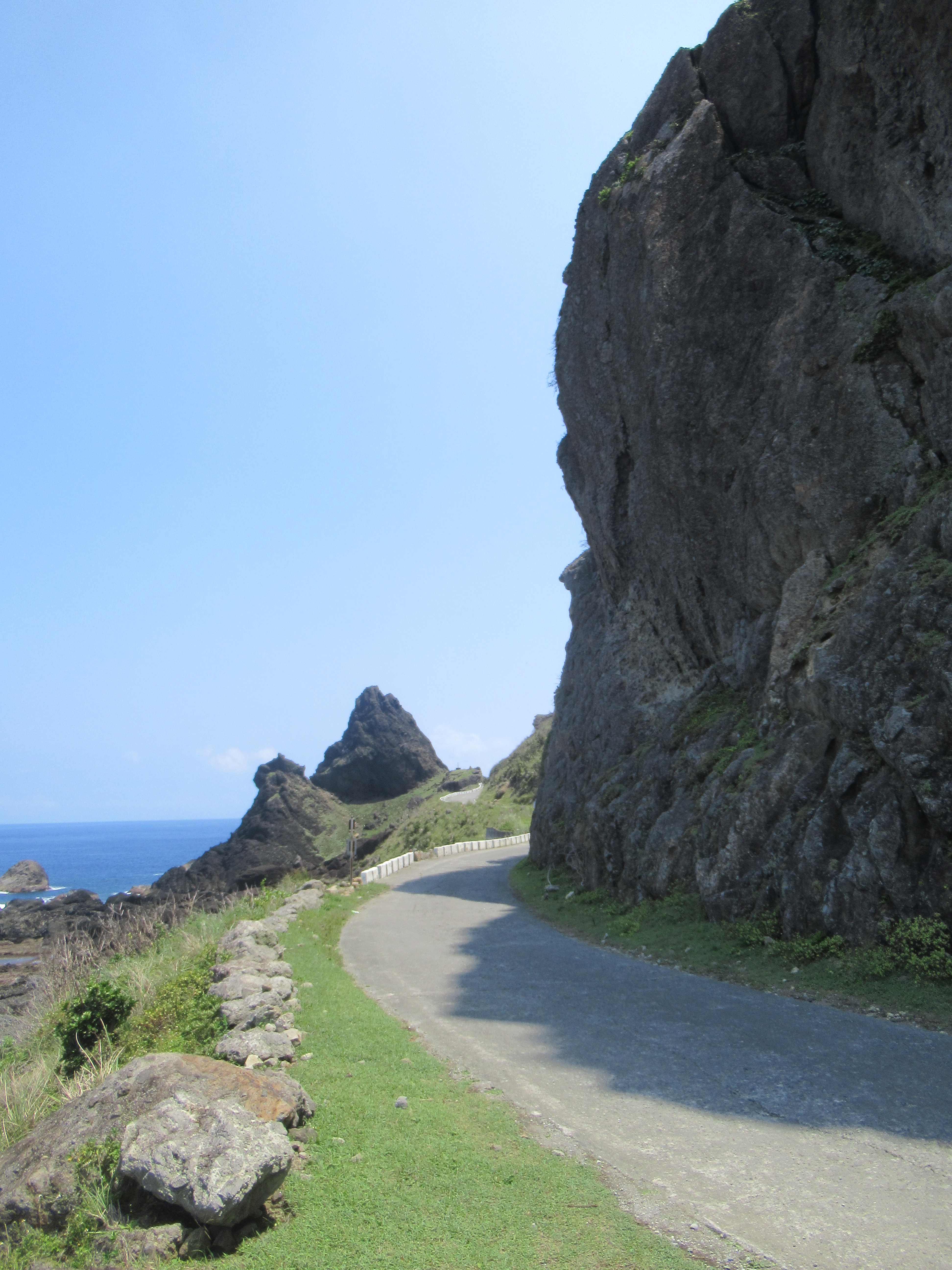
We spent the remainder of the afternoon driving a circuit of the volcanic island and admiring the rugged landscape of wooded hills, rocky shoreline, and high, steep cliffs, before a dinner of flying fish in a local restaurant.
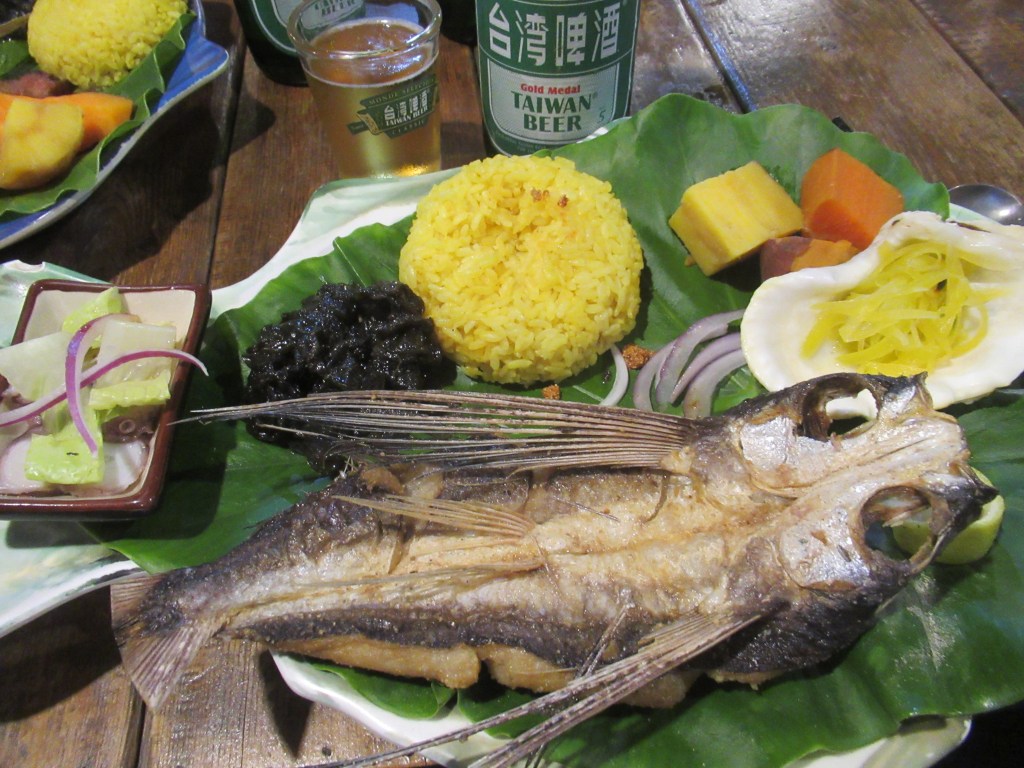
29th April 2024
An early start gave us a few hours birding time before our ferry at 9am. We saw most of the same birds as yesterday along the coast but we also walked up to one of the highest points on the island and witnessed the spectacle of 100+ Chinese Sparrowhawks migrating through, circling high on thermals and disappearing over the hill.
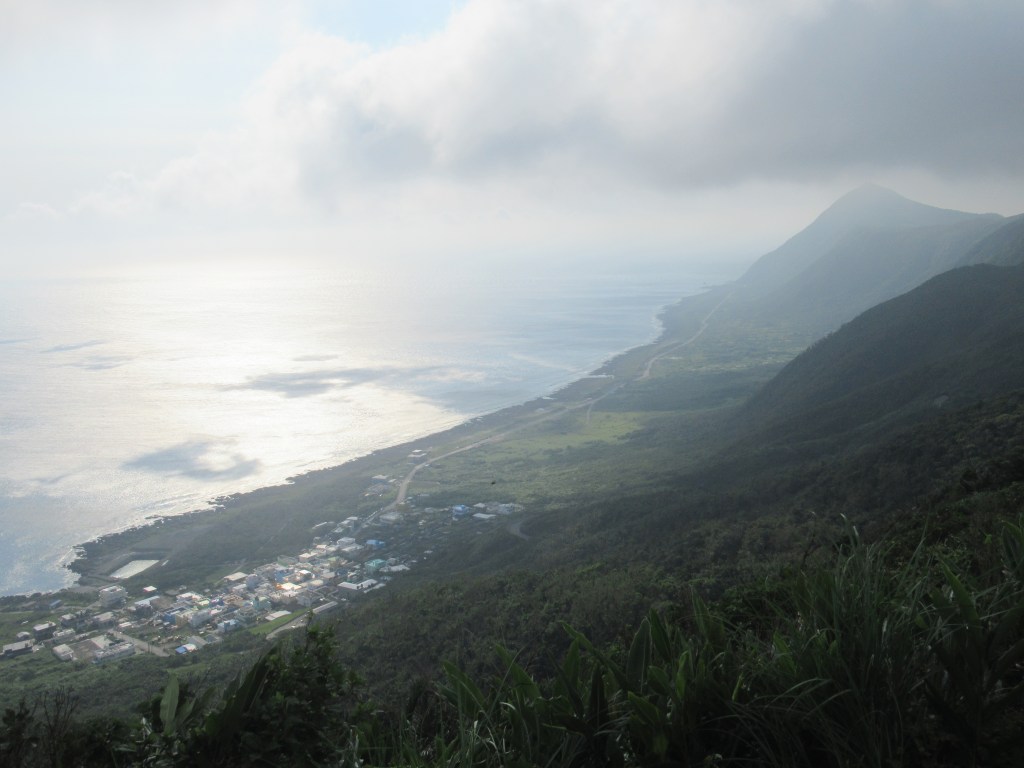
The wind had got up for our return crossing and the sea was a bit rougher, giving us a couple of seabird species: two Bulwer’s Petrels (which was a lifer for me) and a probable Long-tailed Skua.
Back on the ‘mainland’ we headed up the west coast of Taiwan, first stopping at Longluan Lake to add Eastern Spot-billed Duck, Eurasian Coot, and Eurasian Wigeon to the trip list.
Our destination for the night was the town of Budai, surrounded by a vast area of salt pans and fish-rearing lakes. This abundance of shallow water and mud attracted huge numbers of waterbirds and, that evening and the next morning, we saw all the same species that we had seen at Kao Ping River plus a few more, only this time they were all much, much closer.
I counted well over 100 Black-faced Spoonbills scattered about, and added two shorebirds to my life list: Siberian Sand Plover and Sharp-tailed Sandpiper. We also saw Greater Sand Plover, Long-toed Stint, Broad-billed Sandpiper, Dunlin, Yellow Bittern, Black-winged Kite, Caspian Tern, and a single Black-headed Gull (the only gull of the whole trip). All of the waders were looking their best in full breeding plumage.
30th April 2024
After some morning birding around Budai salt pans we headed back to higher land in the mountainous region of Alishan. This is the location of Yushan (Jade Mountain) the highest mountain in East Asia – even higher than Mount Fuji.
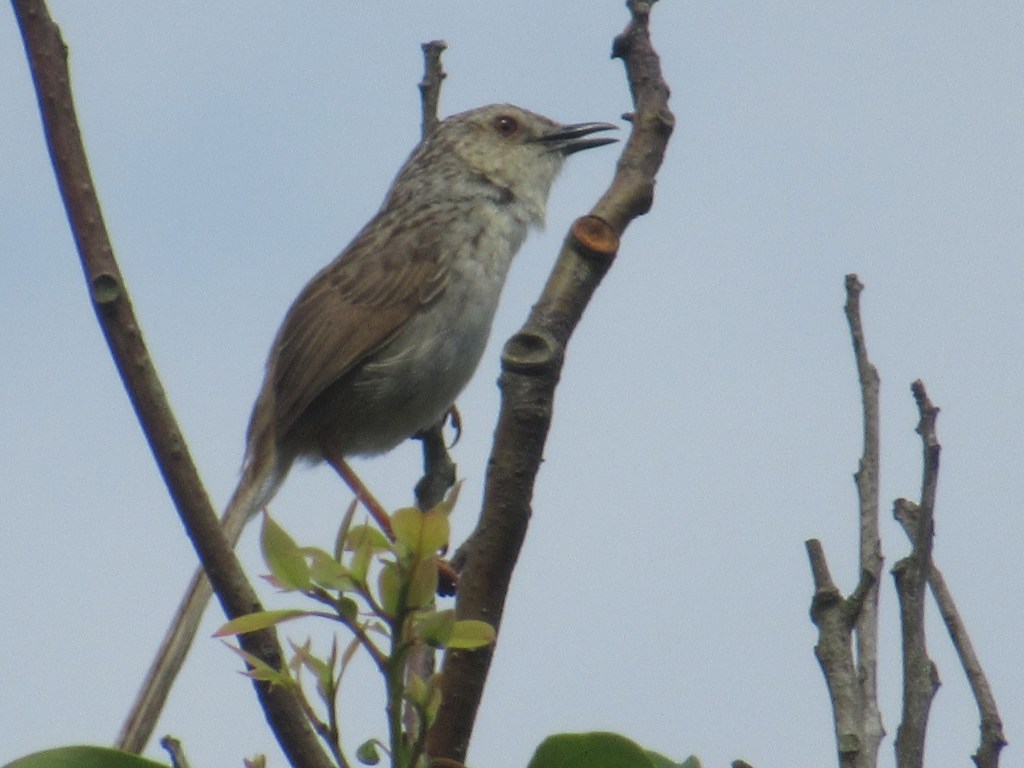
A stop in a small town along the way got us great views of a Striped Prinia singing behind the police station, then later we had to exchange our minibus for two 4×4 vehicles to get us up to our accommodation at the Firefly Lodge. All the rooms were themed around a different cartoon character – mine was the Pink Panther.

With the mountains came the inevitable rain, which killed off any hope of late afternoon birding. After dinner though, the lodge owner tried to call in some owls from the surrounding forest. We sat under a shelter in the garden sipping oolong tea while he played the calls of Mountain Scops Owl and Collared Scops Owl. Both species responded, and the Collared Scops Owl came in quite close, but neither showed itself.
Appropriately enough, the garden of the Firefly Lodge was filled with fireflies.
1st May 2024
The rain continued into the morning so we started laterthan planned. There were many drowned beetles on the pavement outside the lodge and a pair of Black Bulbuls (looking like a cross between a starling and a chough) were scooping them up and feeding them to their chicks in a nearby nest.
A pair of Oriental Honey-buzzards circled overhead as we prepared to leave, and we got decent views White-bellied Green Pigeons on the drive out.
The rain stopped by the time we had driven up to a higher altitude and we started to see all the now-familiar mountain birds again. As well as these, Ferruginous Flycatcher was fairly common up here and, with a bit of effort, we finally found the endemic Yellow Tit. This was achieved by playing the call of Collared Owlet – a small day-hunting owl that attracts flocks of small birds that will mob it until it moves on. The flock duly arrived and contained at least one Yellow Tit. Only one more endemic to go!

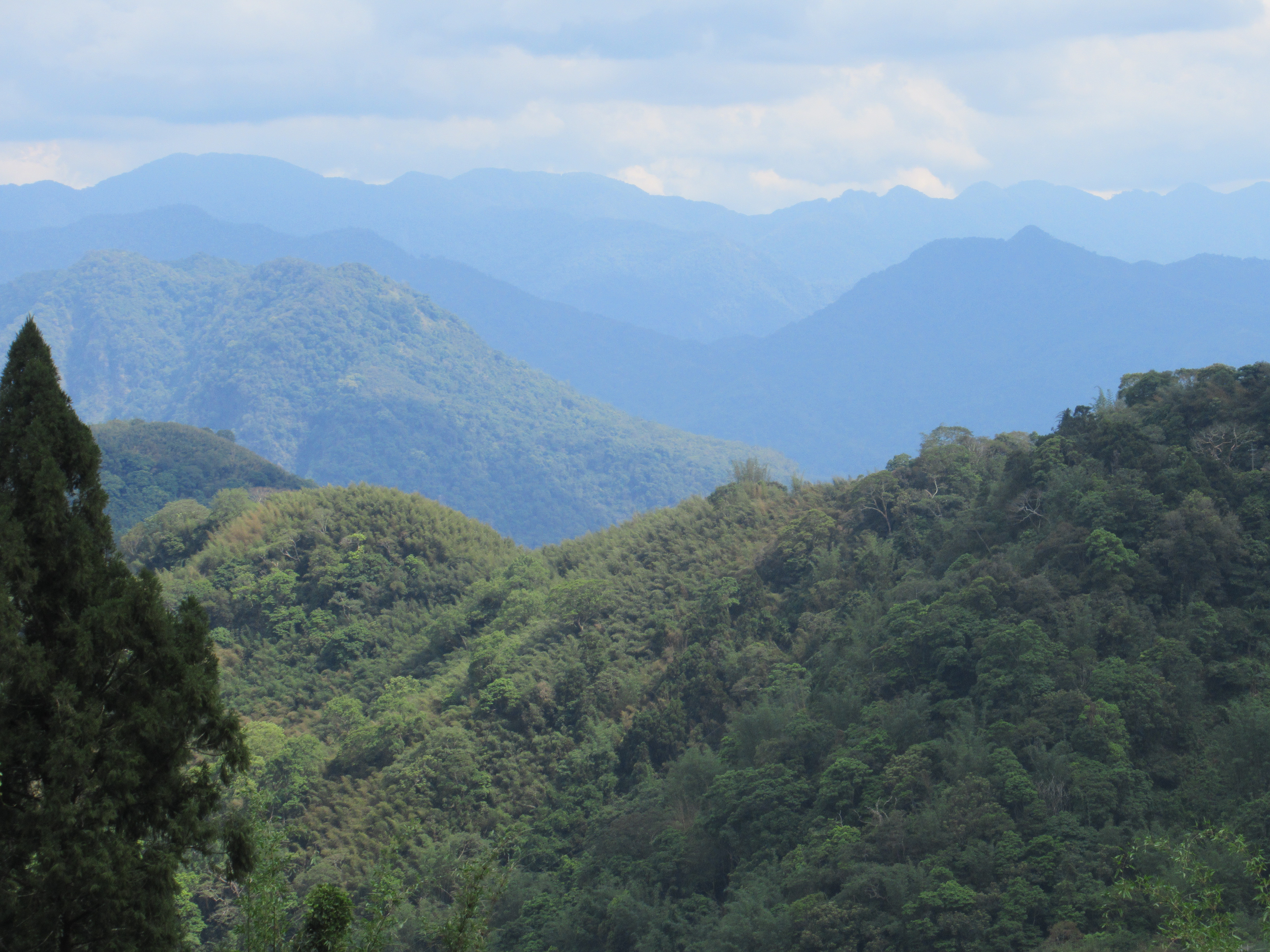

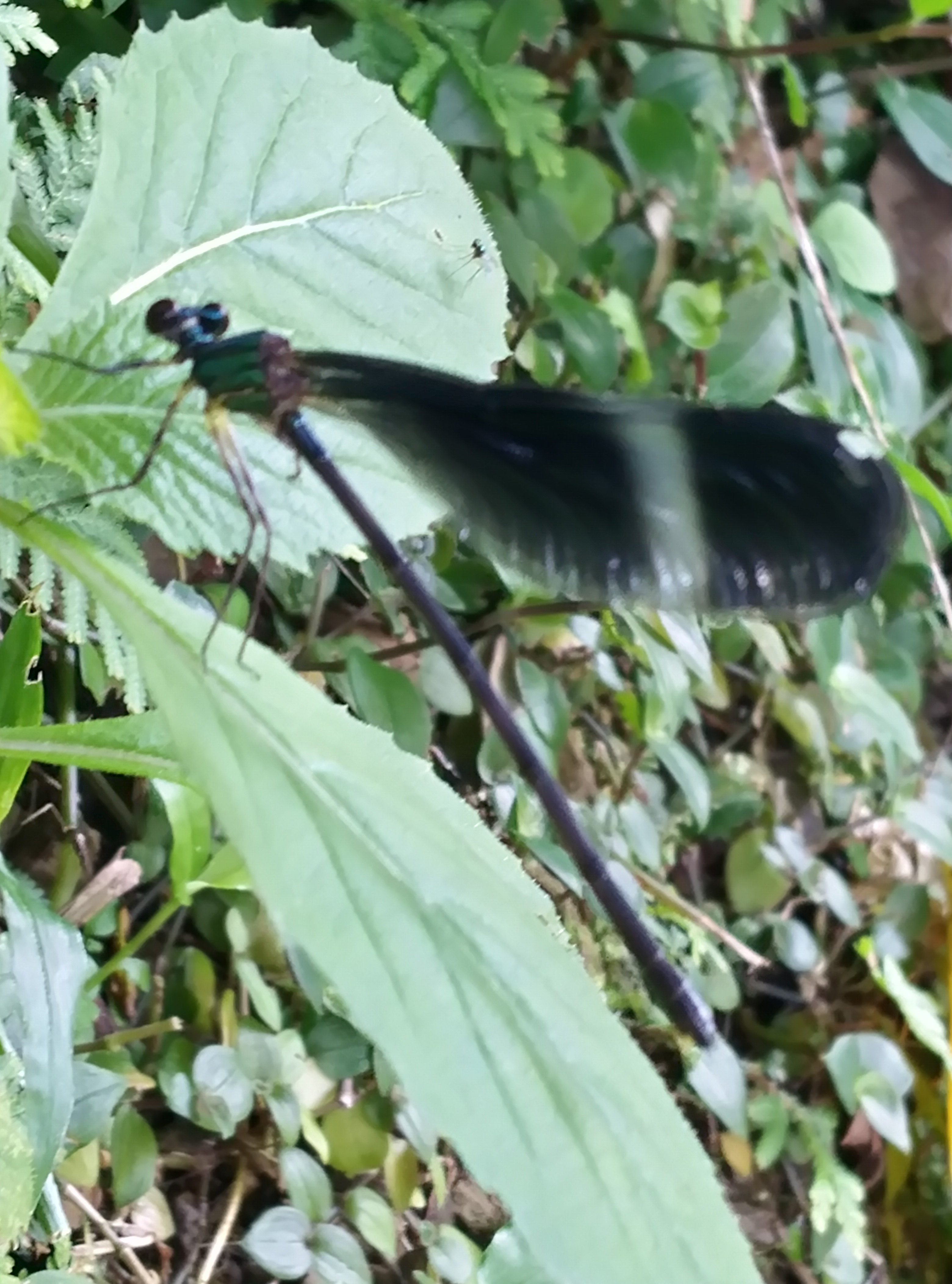
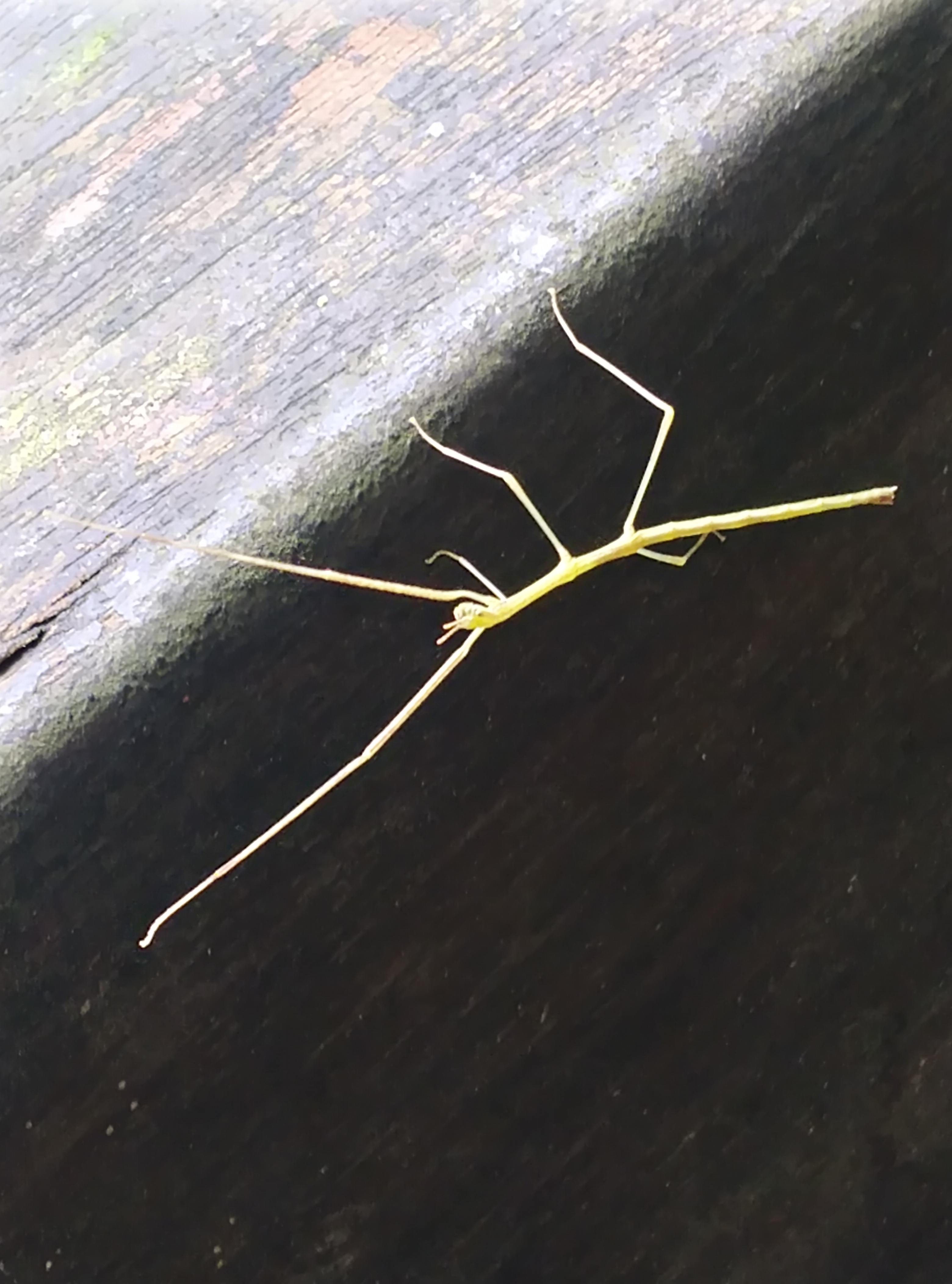
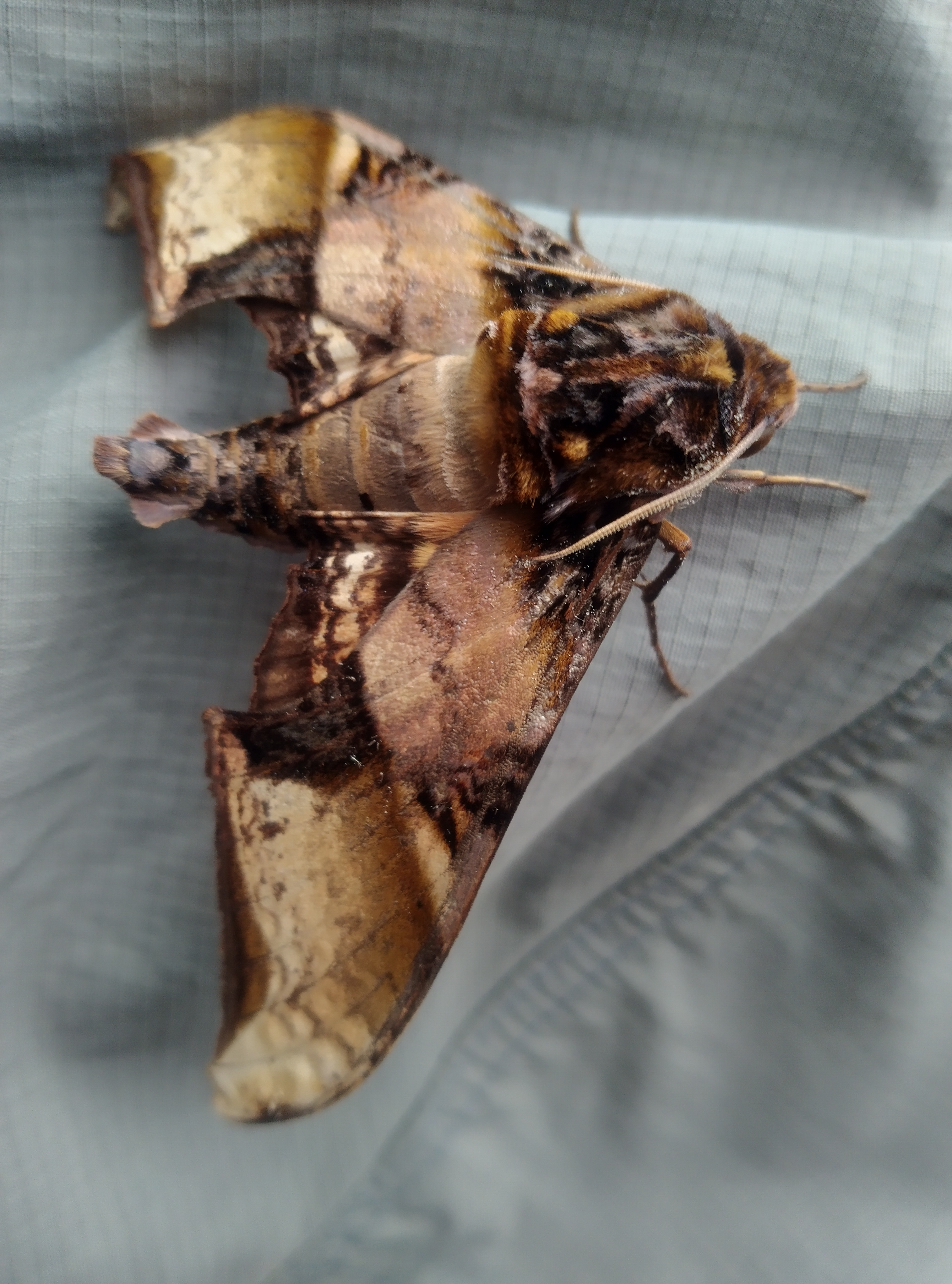
It was while at altitude that we achieved much better views of three birds we had found but barely seen in the mountains of Dasyueshan: Taiwan Shortwing, Taiwan Cupwing and Golden Parrotbill. Good views of Yushan itself were harder to come by, as its peak remained hidden in low cloud.
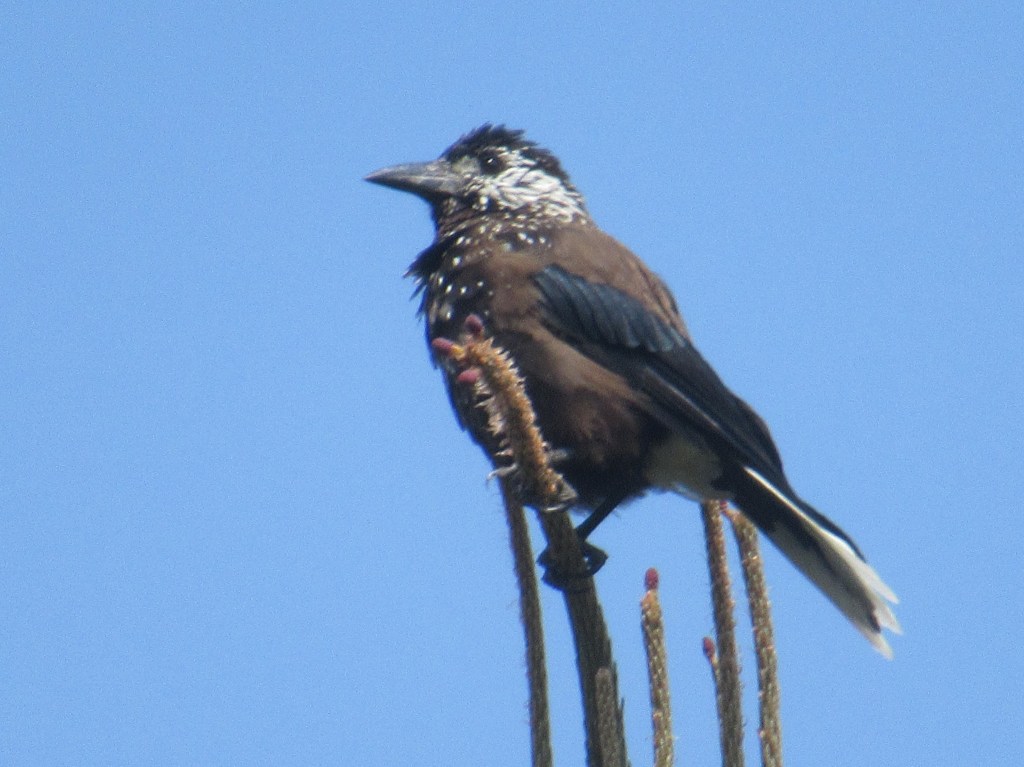
Another new bird was Southern Nutcracker, recently split from the much more widespread Spotted Nutcracker found in Europe and northern Asia.
2nd May 2024
An early morning walk close to our accommodation got us many good birds, including Eurasian Jay (an endemic subspecies looking quite different from the European birds) and a pair of Brown Bullfinches.
Our final endemic target was another species of bullfinch and we headed off to Yushan National Park to look for it. We had more views of both Swinhoe’s and Mikado Pheasants and numerous Formosan Macaques:
We spent the whole morning driving from one likely spot to another, getting out of the minibus in various car parks and walking around in search of our last target. We saw a lot of good birds, but it wasn’t until after midday that the guides heard Taiwan Bullfinches calling from the pine trees way up the slope above us. Eventually they flew down in two pairs, passed over us, and continued flying off down the valley, calling as they went. It wasn’t the best view but we had done it. We had seen all 32 Taiwan endemics with just a few minutes to spare before we were due to leave the mountains again.

Our final birding destination was back in the lowlands at a town called Linnei. We parked at a temple and took a footpath around the back to a wooded area called Lungkuoma Forest Trail. This suburban location, with numerous locals out walking and jogging, and at least one other birding tour group, is a well-known site for one of Taiwan’s most special non-endemic birds: Fairy Pitta.
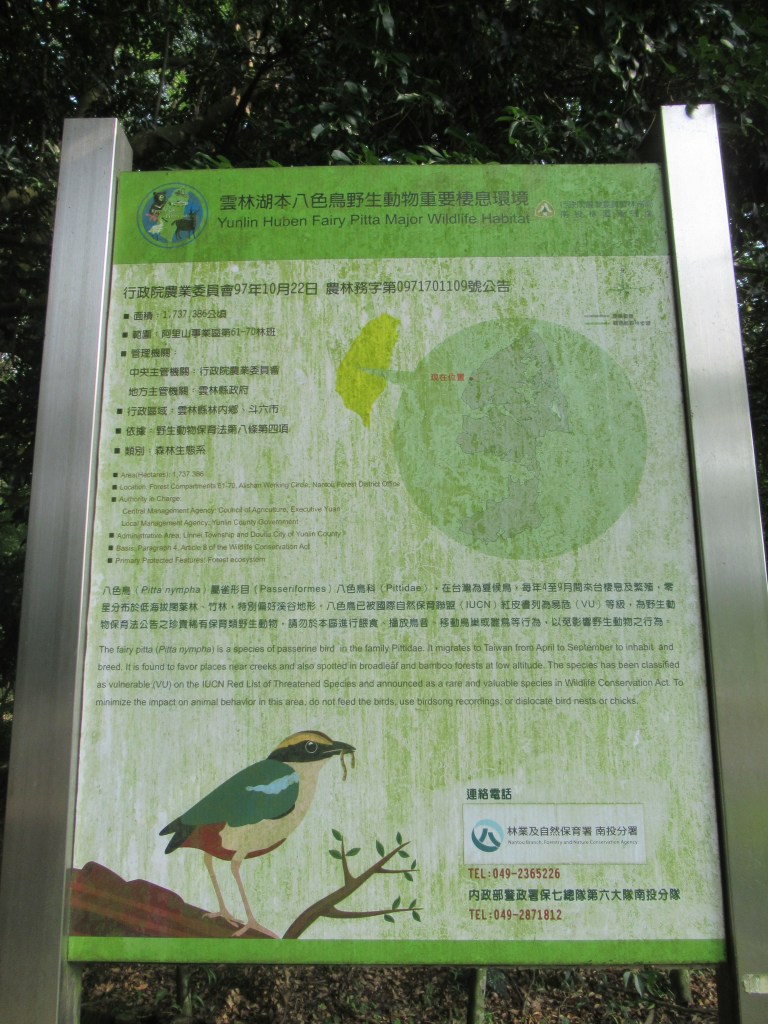
Pittas are one of the most attractive and sort-after bird families – always colourful and often remote and hard to see. The Fairy Pitta breeds in China and Japan, but is most often seen in Taiwan. Initially we had trouble locating one but, just as we were walking away to try a different location, we heard one calling and managed to lure it closer. It was high in a tree and we could only see the bottom half of it amongst the foliage – green wings, a bright red undertail and lower belly, and pink legs.
It soon dropped out of the tree and we thought we had lost it when one of our group spotted it on the ground, up a slope, in a small window in the vegetation. It was foraging around in the soil and we managed to get reasonable views of this skulker. Even in the darkness of the forest understory we could see its iridescent blue shoulder stripe shining out as if lit by some inner light. (The following morning we tried a different spot but only managed to see one fly quickly past us – even then we got a strong flash of iridescence).
Another highlight here was an unusually prolonged view of an Asian Emerald Dove.
After the Pitta sighting we drove to a well vegetated river nearby and managed to find a Vinous-throated Parrotbill before heading for dinner and bed.
3rd May 2024
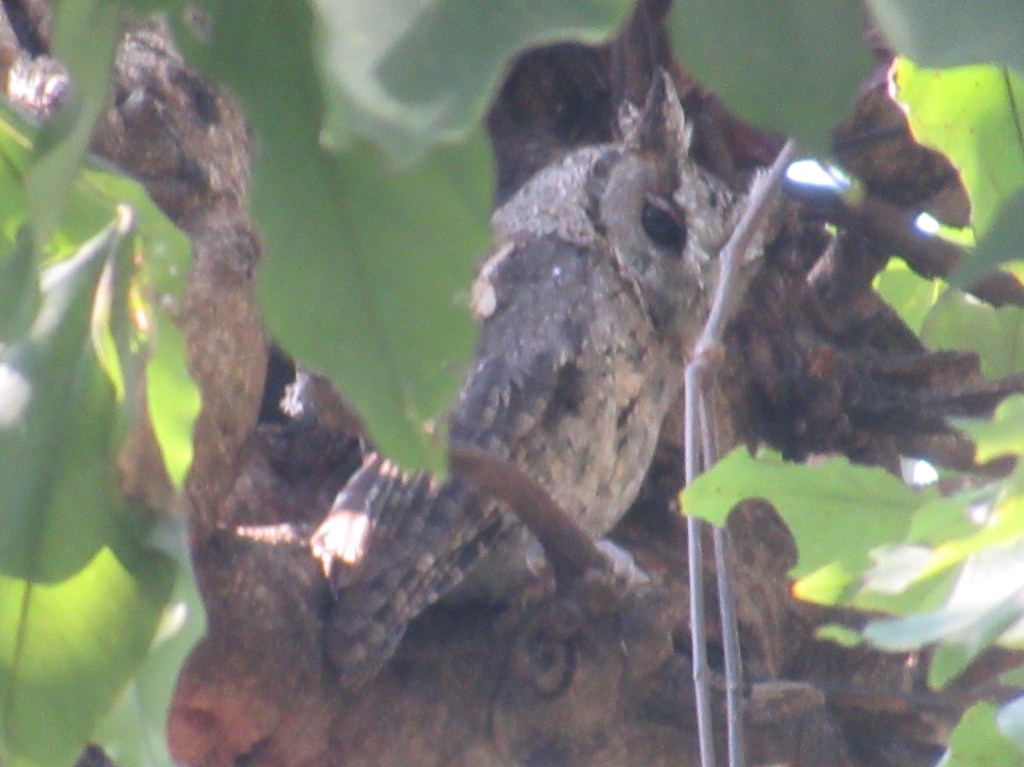
It was the final day of the tour and, after a quick visit to the Pitta location and seeing a Grey-capped Pygmy Woodpecker, we had a five hour drive back to Taipei. Once in the city there was one final surprise for us when we were driven to the campus of National Taiwan University where we admired a Collared Scops Owl at a known roost in a tree. This was one of the owls we had failed to see at Firefly Lodge. There were also a pair of Mallards by a pond that may or may not have been genuinely wild birds.
Most of the tour were flying home that night but I still had one more night in Taipei, so I was dropped off at a metro station from where I said my goodbyes and made my way to my hotel.
4th May 2024
Before my afternoon flight back to the UK I had a few hours of birding at Hua Jiang Wild Duck Nature Park, a wetland in the heart of the city.
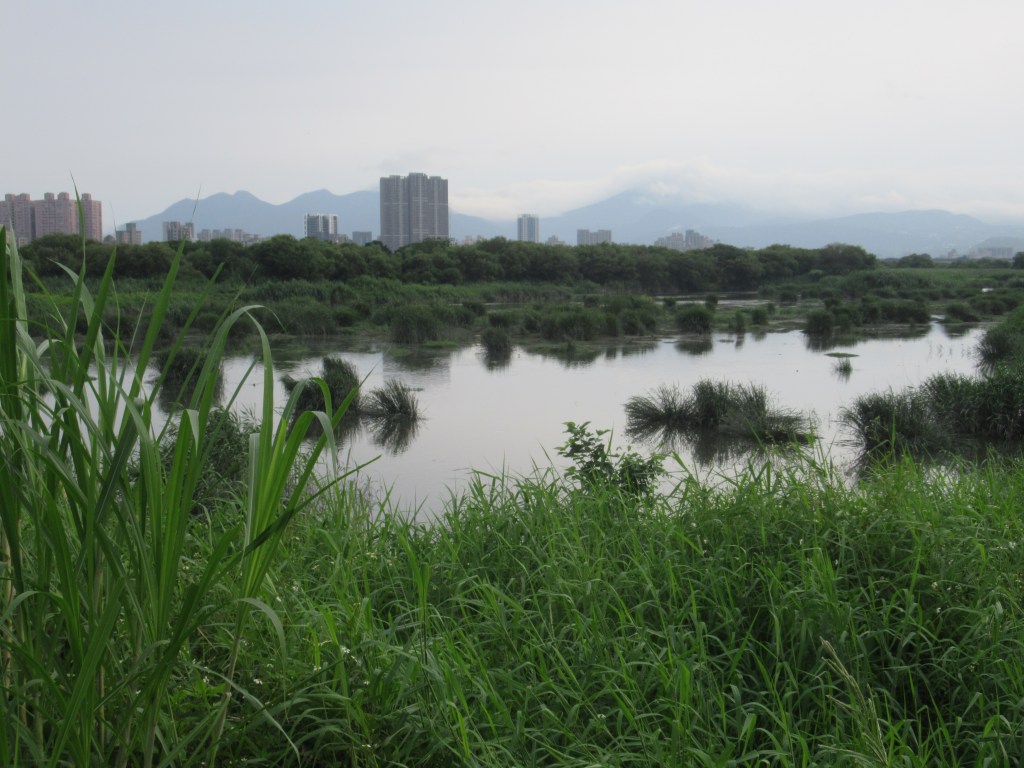
As well as some final views of Taiwanese birds, I added Oriental Reed Warbler, a flock of introduced Orange-cheeked Waxbills, and a male Black-faced Bunting to my trip list. This last bird was new for me, bringing my total lifers to 69 out of a trip list of 188 species.
 Vole Explosion
Leave a comment