11th November 2023
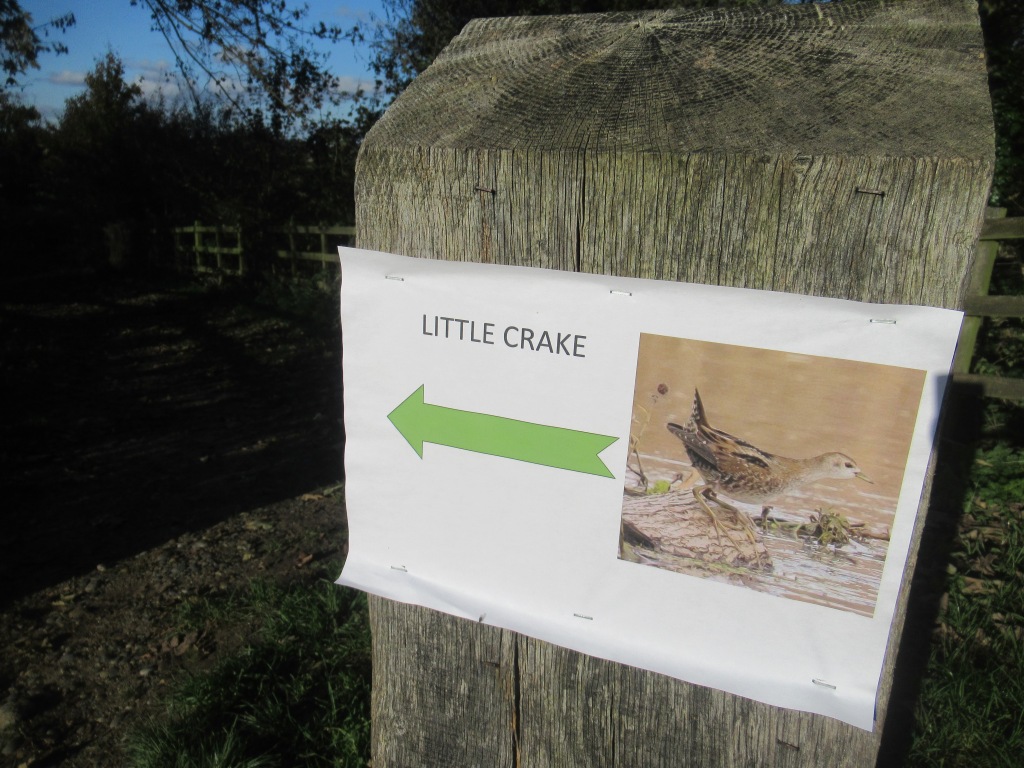
Milton Keynes in Buckinghamshire is more often associated with concrete cows than with rare migrant birds. The iconic cattle have long since gone, but now there’s a Little Crake in town. Or rather at Linford Lakes Nature Reserve on the edge of town. Only about 100 of these secretive birds have ever been found in the UK and I’ve never seen one before, neither here nor in their more regular range in Eastern Europe and Western Asia, so I decided to get my twitch on and try and connect with it.
Linford Lakes is a private reserve for members only, but today they opened up to non-members for one day only, in return for a small donation towards their running costs. The crake has been present for the last five days, but when I arrived on site around mid-morning it hadn’t been reported yet and, with clear skies overnight, conditions were perfect for it to have moved on – the dreaded “Friday Night Flit”! The volunteers at the entrance were incredibly friendly and welcoming, but they warned me that the bird had probably flown. They were still opening to the public and, since I was already there, I decided to have a look around anyway.
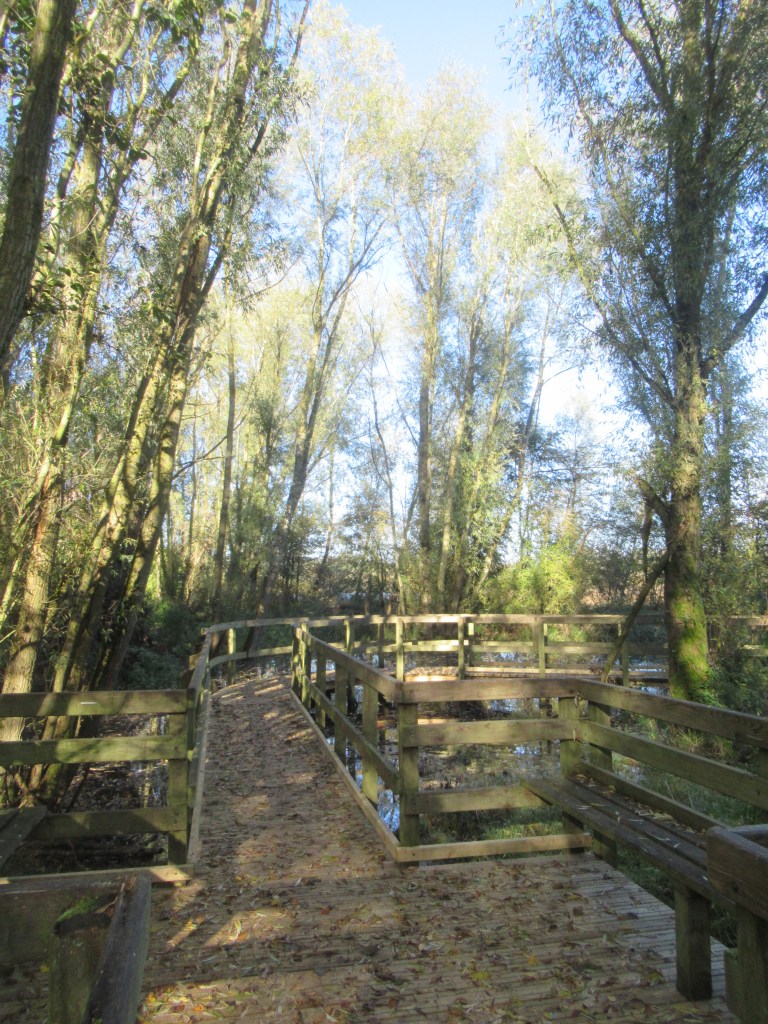
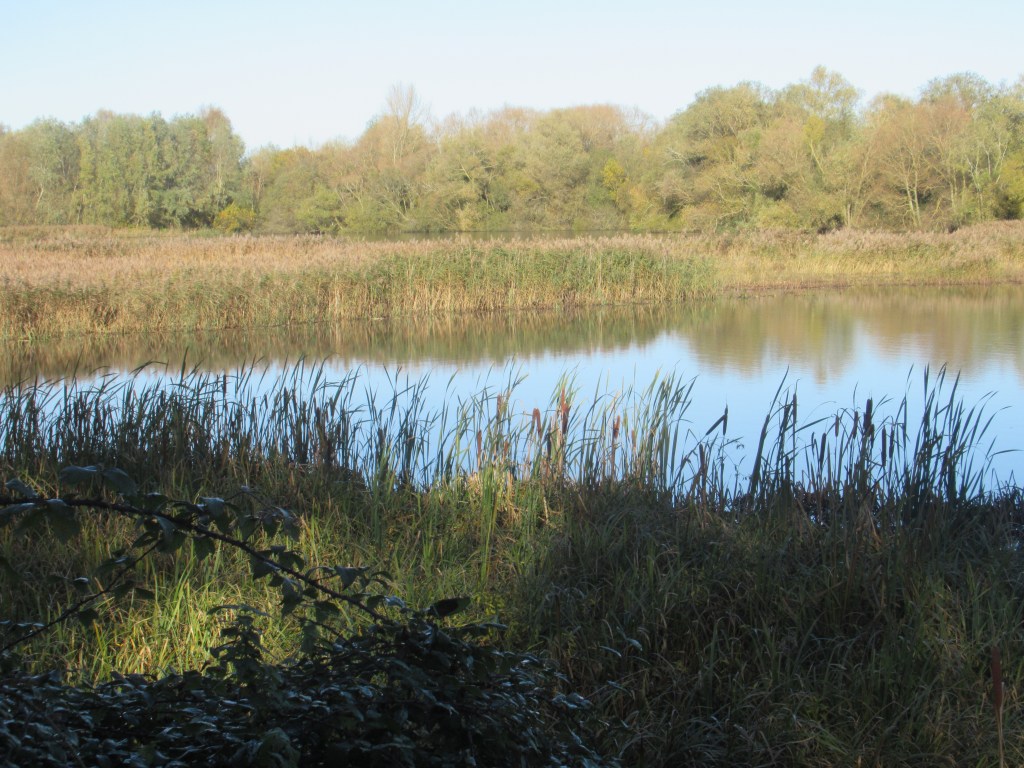
It was a nice little reserve, with areas of open water fringed with reedbeds, and some winding paths and boardwalks through mature wet woodland. The weather was sunny and unseasonably warm, with no wind, so I was going to have a pleasant day out – crake or no crake. Good numbers of the more expected birds were in evidence and I even had a brief view of an Otter swimming in front of one of the hides.
Once I was about as far into the reserve as it was possible to go, I luckily ran into another birder coming the other way who told me the crake had been spotted from back near the entrance. I turned around and quick-marched back, finding a small area where a gap in the reeds allowed a distant view to where it had been seen. One of the volunteers was there and a few minutes later he picked up the bird in his scope and got me onto it – a distant but identifiable view. The crake was, as crakes tend to do, walking along the edge of some reeds where they meet the water, and popping in and out of the reed stems.
Crakes and Rails are secretive, skulking birds that can be hard to find. Most species live in swamps, marshes and reedbeds, hiding deep in thick vegetation where they are more often heard than seen. They are available in a range of sizes and a Little Crake, as the name suggests, is one of the small ones. It is similar in shape to a Moorhen (to which it is related) but smaller than a European Starling.
Having had an initial view from a distance of 300m (1000ft), I moved to the hide from where it had been viewed all week for a closer look. Naturally the hide was pretty full, but I managed to squeeze in and find a spot with a decent view of the reeds where the crake had been appearing. Judging by the Northern and Midland accents I heard in the hide, some people had come quite a distance for this bird.
It wasn’t long before someone called it out and the rest of us soon got onto it for some cracking scope views at 60m (200ft). At that range all the bird’s plumage features could be seen well as it picked its way along the water’s edge, pecking at small invertebrate food items on the surface, and occasionally hiding in the reeds. I even managed to get a (very poor) record shot:
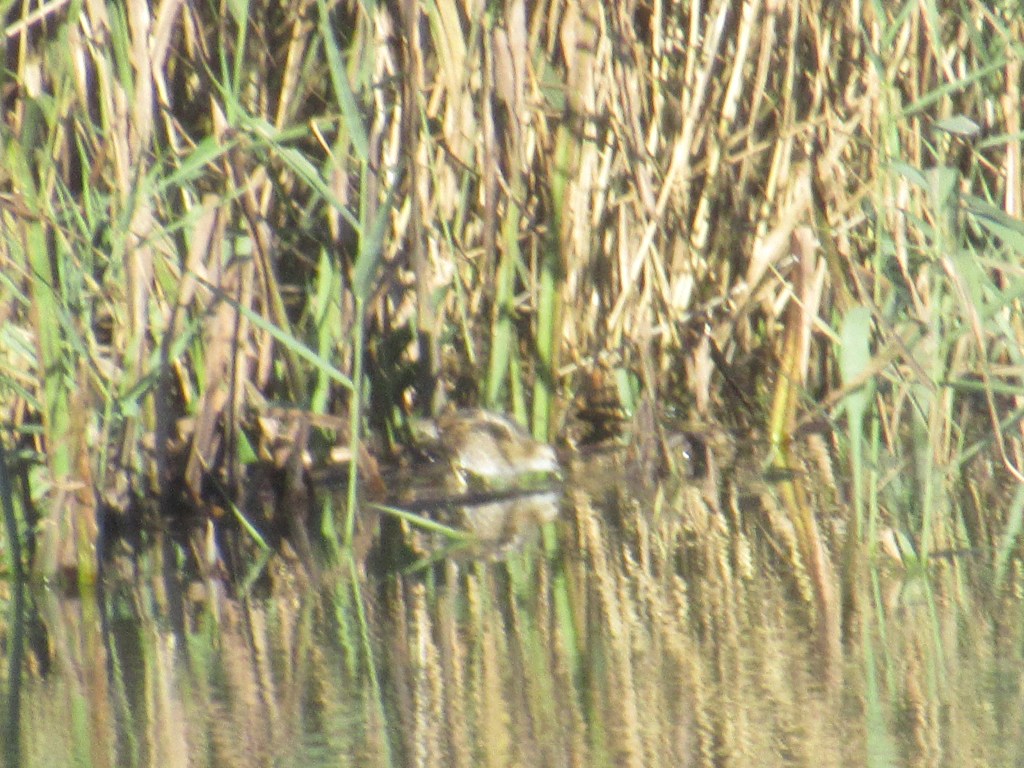
This was a juvenile bird born this summer, with a plain, pale-grey face and underside and dark barring on the flanks, rear end and undertail. Its back was brown with large dark patches on the shoulders and a scattering of black and white flecks on the back. The bill and legs were dull yellow. The low winter sunlight was in an ideal position to light up the crake’s glowing pale front, and it was easy to spot against the reeds when it was sideways on or facing towards us. With its back to us it was much more effectively camouflaged and quite difficult to pick out if you didn’t already know where it was.
The Little Crake had performed brilliantly, and all the visiting birders got great views. The photographers seemed happy with their results and, in the end, it had turned out to be a perfect twitch: a beautiful location, gorgeous weather, and an eventually co-operative bird. The crowd of twitchers was relatively small, good-natured and friendly (not always the case on a British twitch). Most of all, the Linford Lakes volunteers were excellent, and they worked hard to ensure that all the visitors got good views.
Just outside the reserve entrance, on the Grand Union Canal, there was a very friendly pub – the perfect place to raise a glass and celebrate another tick on my life list!

 Vole Explosion
Leave a comment