Wednesday 6th September 2023
CHICHESTER
Today is something of a rest day while I do a bit of sight-seeing around Chichester. What I am most keen to see are the remains of Fishbourne Roman Palace. Chichester was known as Noviomagus Reginorum to the Romans and was an important staging post immediately following the invasion of Britain in 43 AD. The cross-shaped street layout of the modern city is based on the original Roman street plan.
A smaller villa or palace was built at Fishbourne soon after the invasion and was expanded to a much larger size by 75 AD, making it the largest known Roman residence to the north-west of the Alps. The size of the building and the speed with which it was built in the early days of the conquest suggest that it had a propaganda function, to intimidate the locals and to demonstrate the glory and capability of the Roman Empire. The local Britons wouldn’t have seen anything like this before. To build the palace the local area was landscaped and a stream was re-routed – things that would have been inconceivable to the locals and must have made the Romans seem almost God-like. The palace was inhabited for around 200 years before it was destroyed by a fire around 270 AD and abandoned.

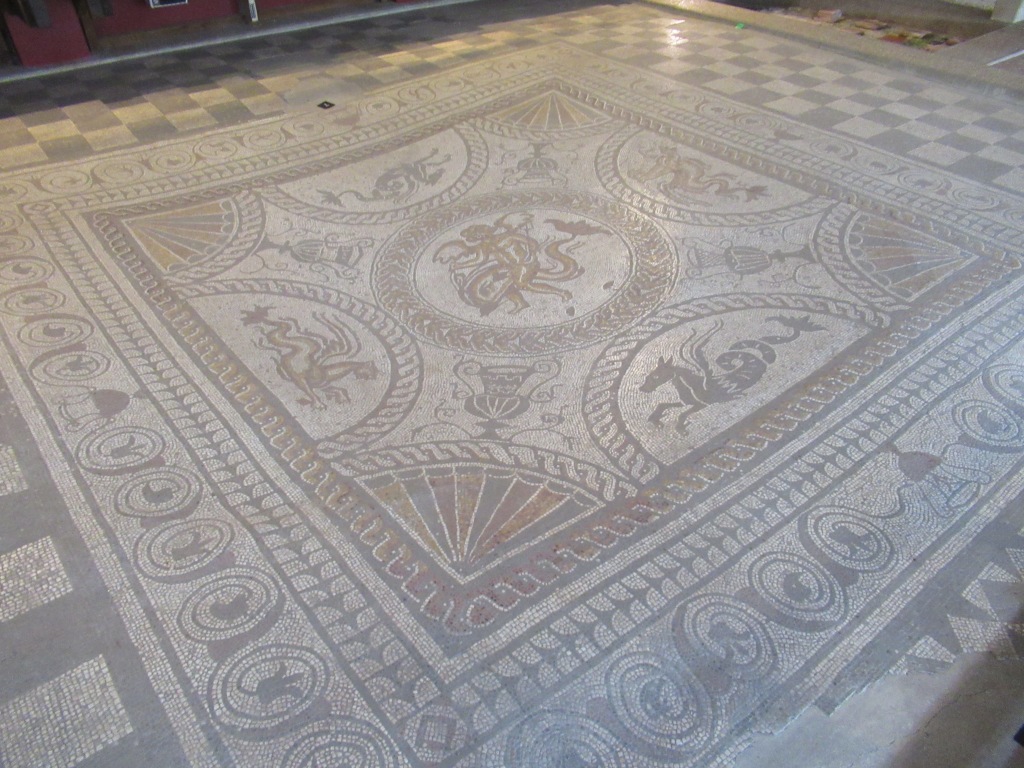
The centrepiece of the site is the collection of well-preserved mosaics, almost certainly the first ones made in Britain. There are so many mosaics here that older ones were found beneath newer ones, and archaeologists have carefully lifted the upper ones so that the ones beneath can be seen today. The site was originally re-discovered in 1960 when a trench was dug for a water main and the digger ploughed straight through a mosaic.
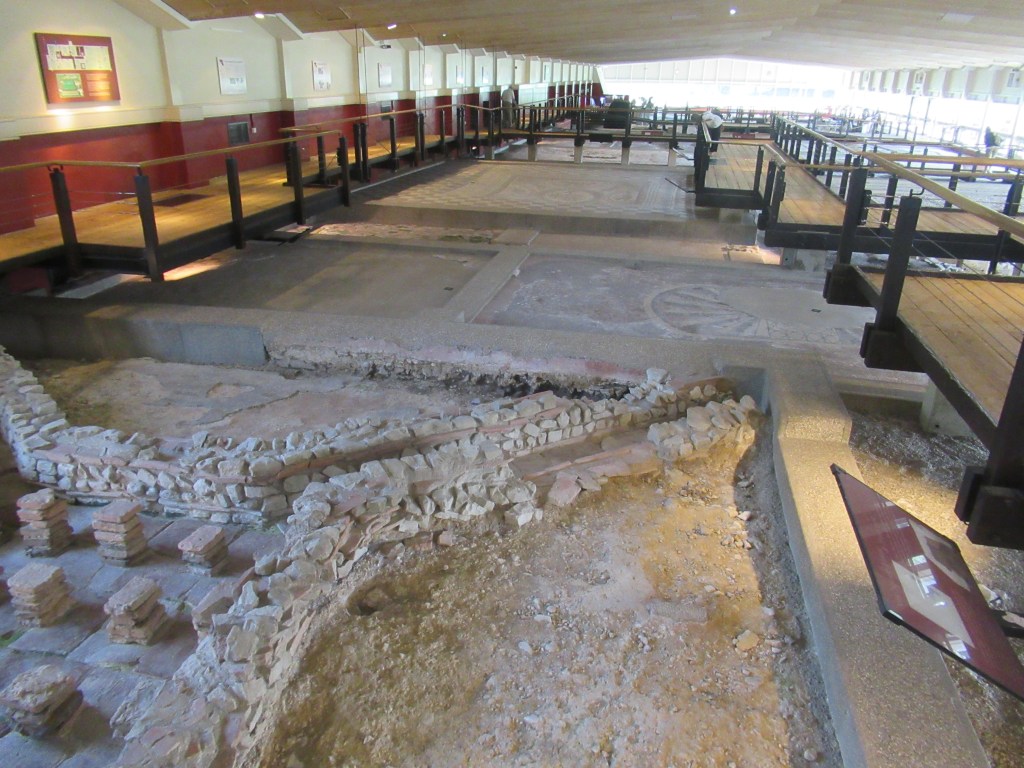
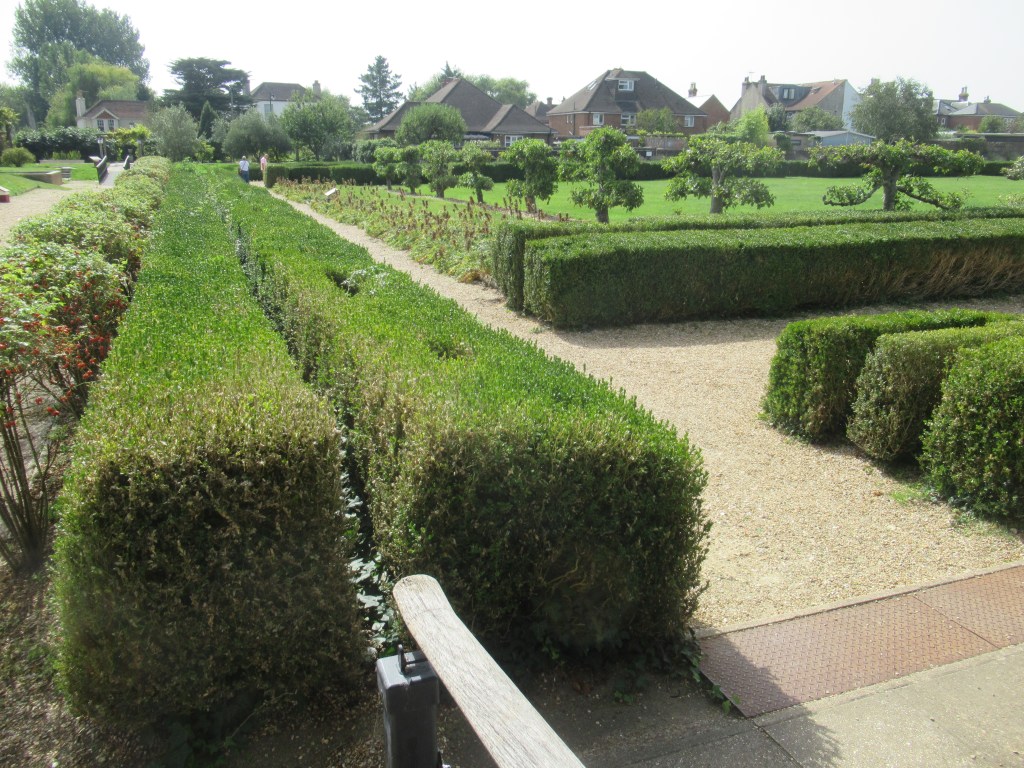
Alongside the mosaics are some well-preserved walls and a hypocaust under-floor heating system, but it’s the sheer size of the place that really impresses. The only known Roman palaces of a similar size are found in Italy itself, and the site has a larger footprint than Buckingham Palace. The current area that can be visited is around half of the original palace and gardens. The other half is buried beneath the town of Fishbourne. A modern building has been constructed over the mosaics that also houses a museum, film theatre, gift shop, etc. As can be seen in my photos, this looks fairly large but covers only a fraction of the original palace. Some other parts are laid out as a concrete footprint to show where the original buildings would have stood, and the formal garden in the centre has been recreated using the original holes left by trees and hedges planted by the Romans as a guide. Another area is used to grow plants that were known to have been brought over by the Romans for food, textiles, dyes, etc.
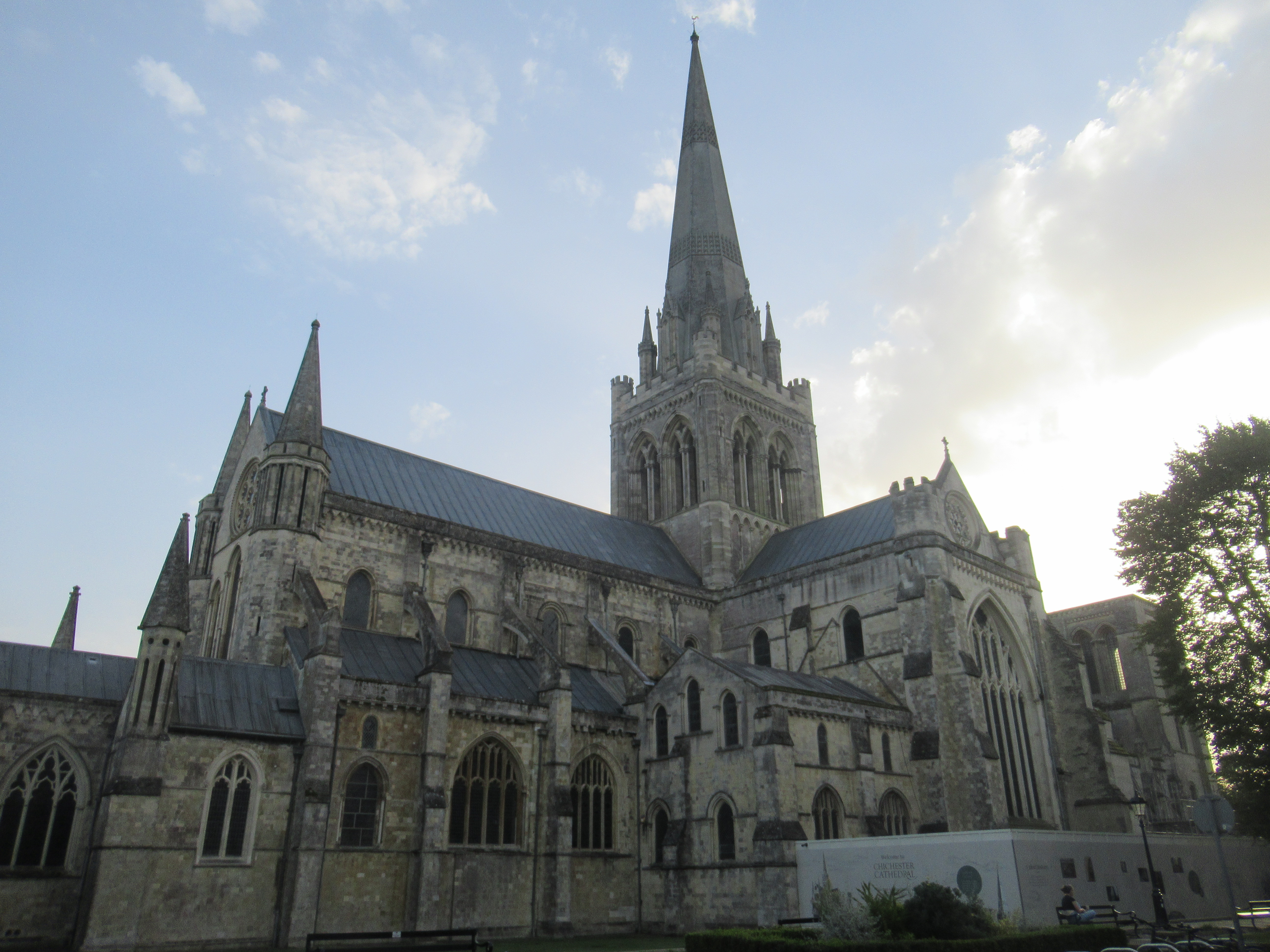
From Fishbourne it is only a short walk to the centre of Chichester, which is dominated by the medieval cathedral. Inside is another Roman mosaic, which can be viewed through a glass floor, and a stained-glass window by Marc Chagall.
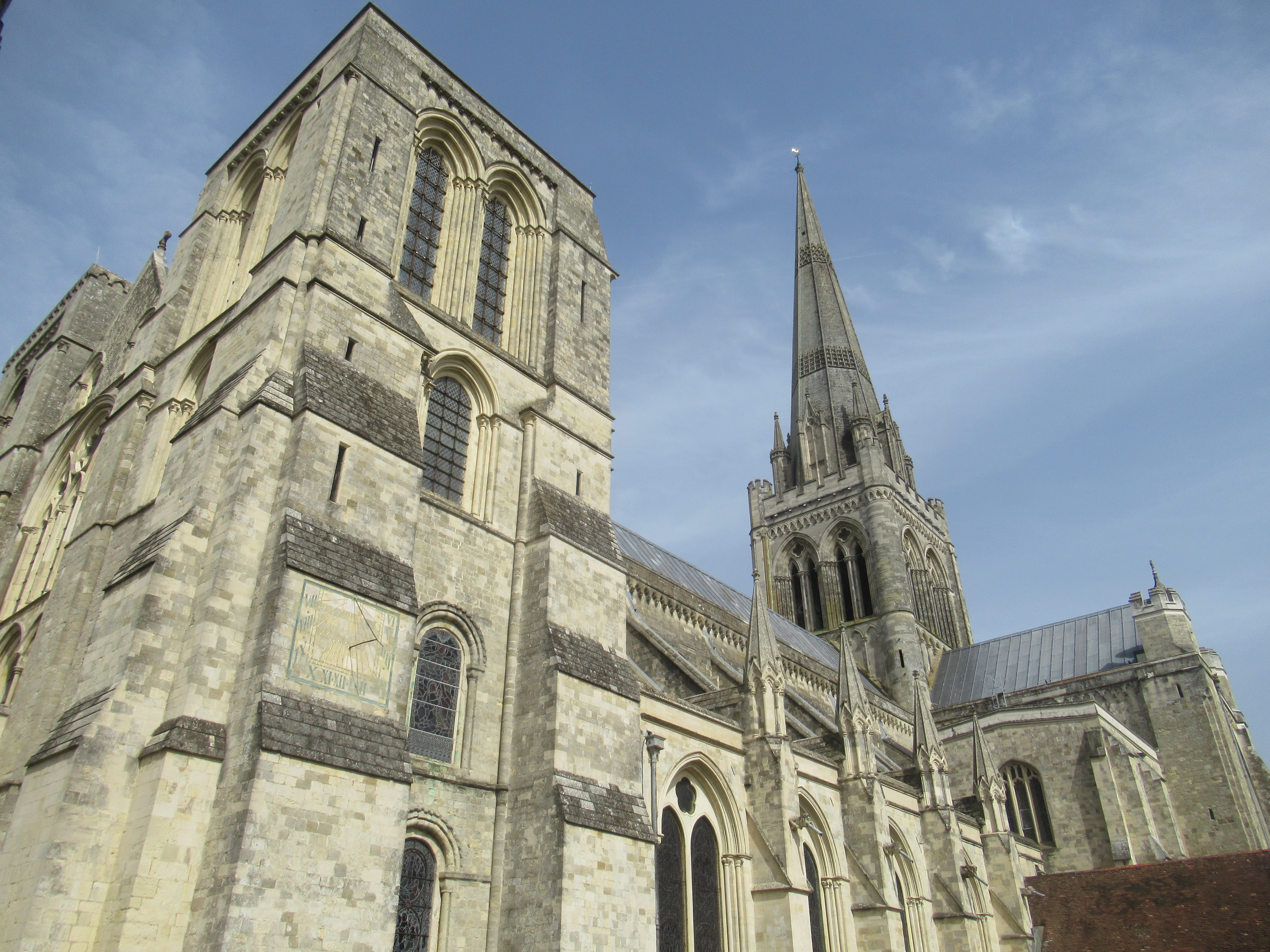

Nearby I pop into the Novium Museum where I find, you’ve guessed it, more Roman mosaics. It seems like they can be found anywhere you dig around here. If I owned a house in Chichester I would be straight out in the garden with a shovel. The museum is built over the top of a Roman bath house, which is well displayed from the ground floor gallery. Upstairs there are more displays about the history of the city, the most interesting of which are the remains and grave goods of a mystery warrior with a spectacular metal head-dress. Named ‘North Bersted Man’ after the area near Bognor Regis where he was buried, he is thought to be a Celtic warrior from France who fled to Britain to escape Julius Caesar’s army in 50 BC.
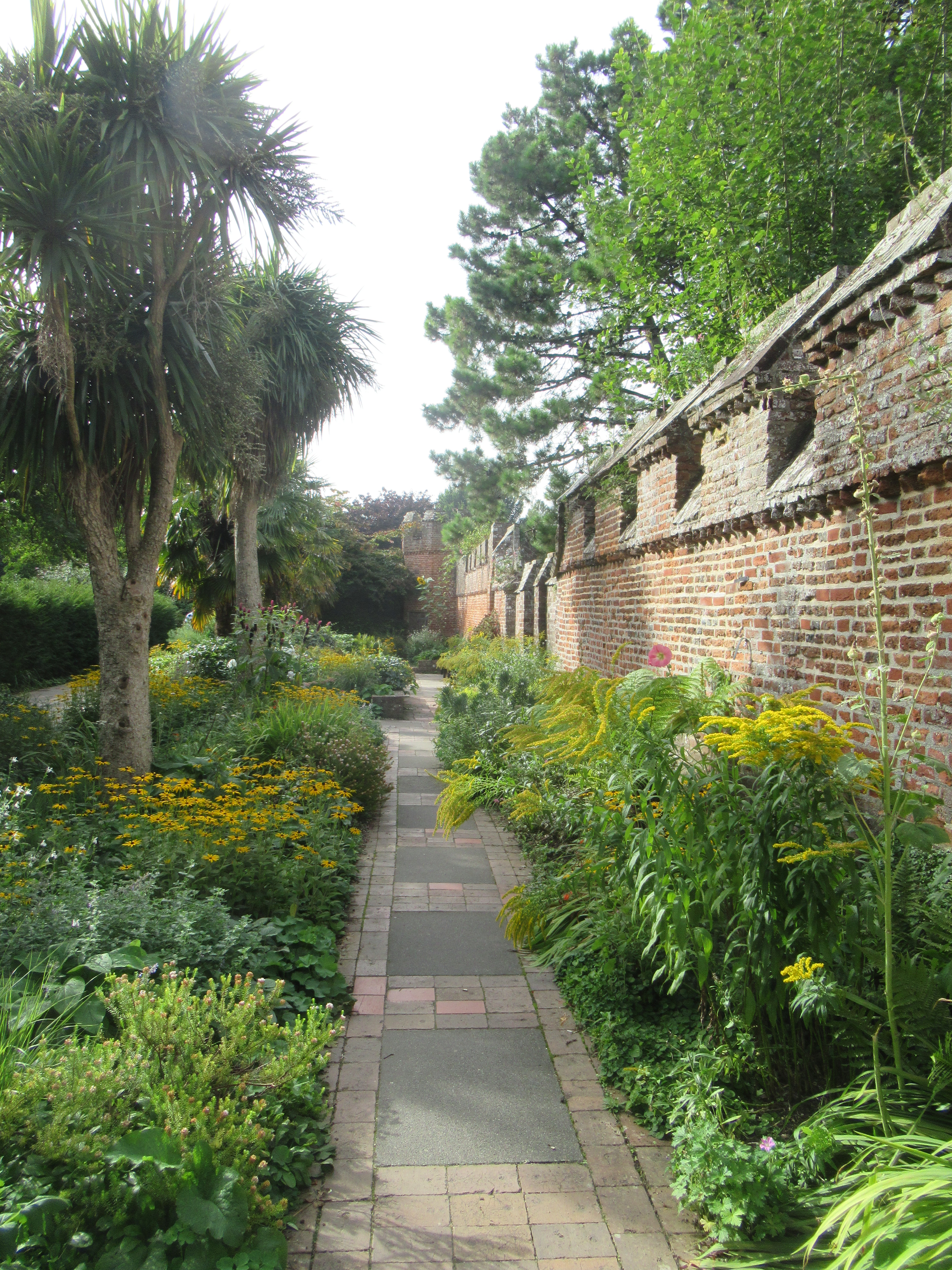
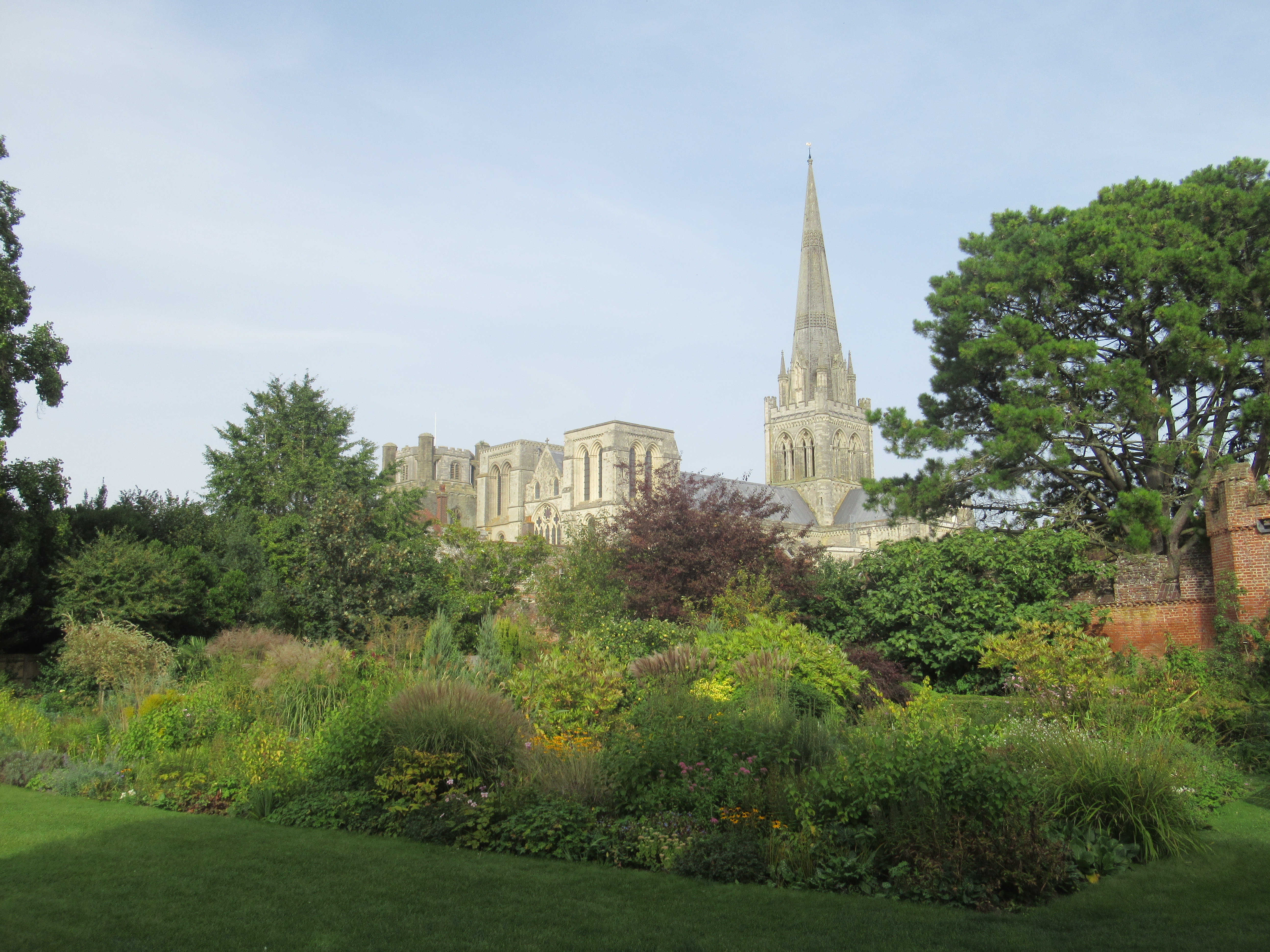
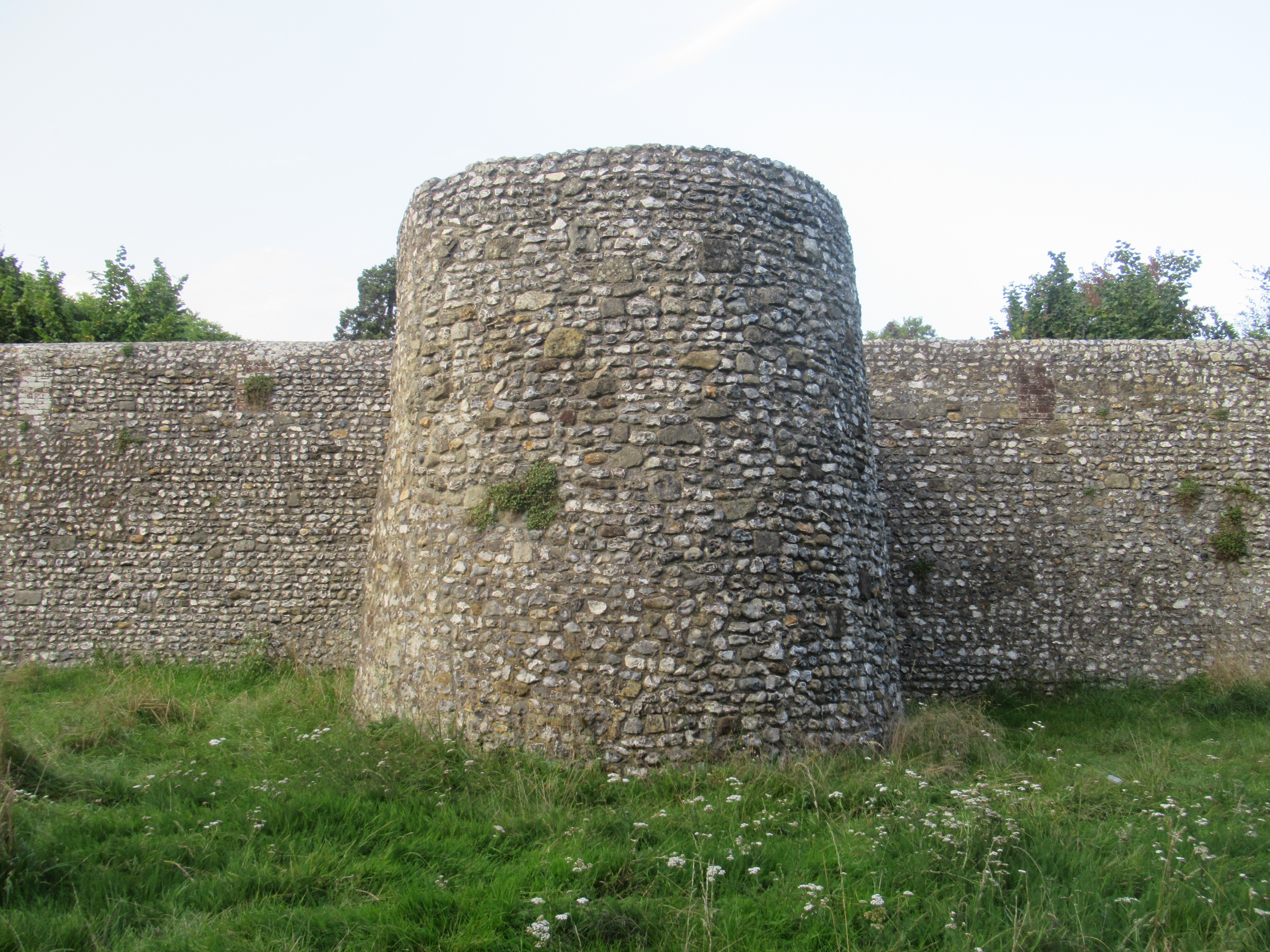

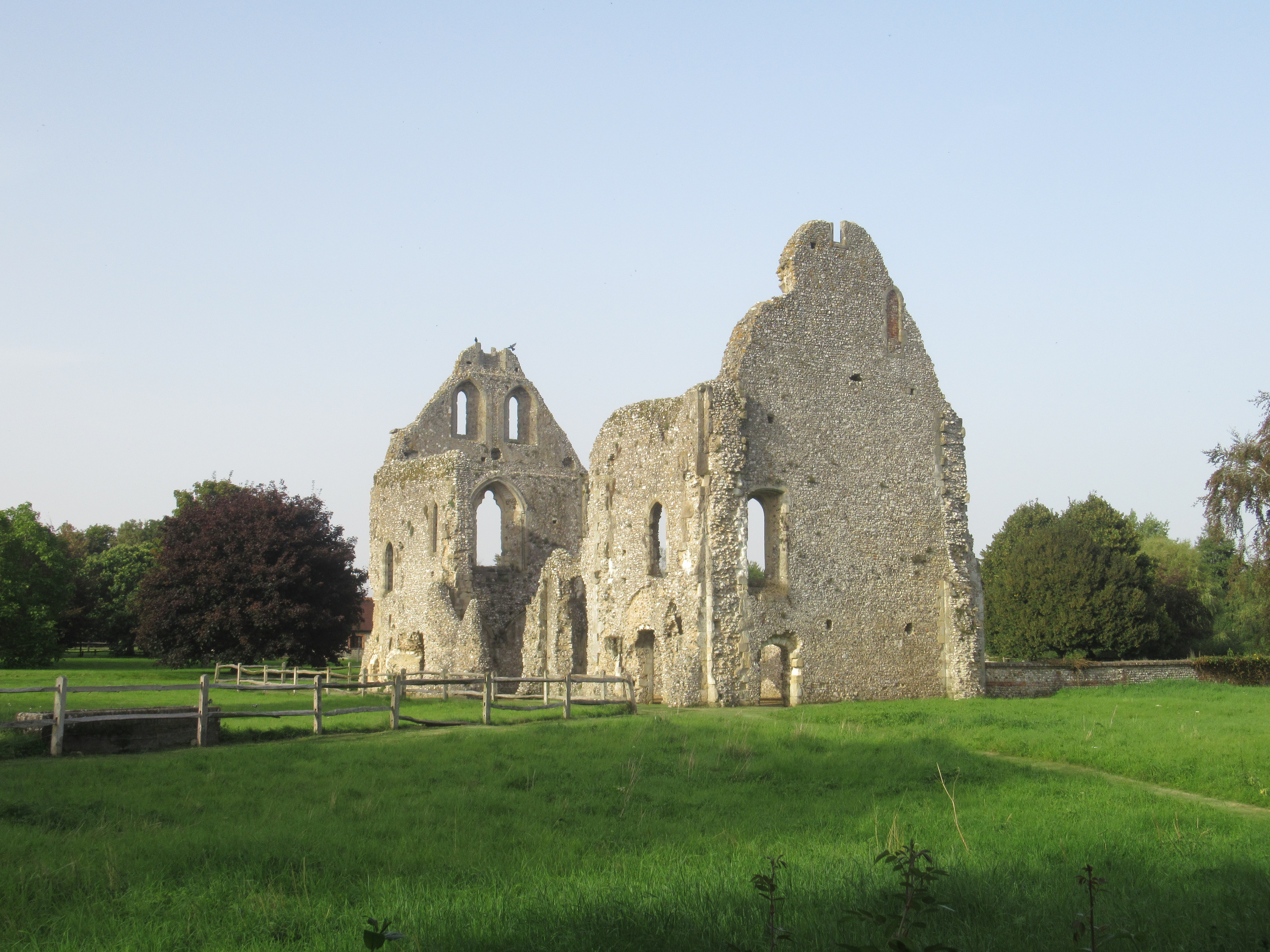
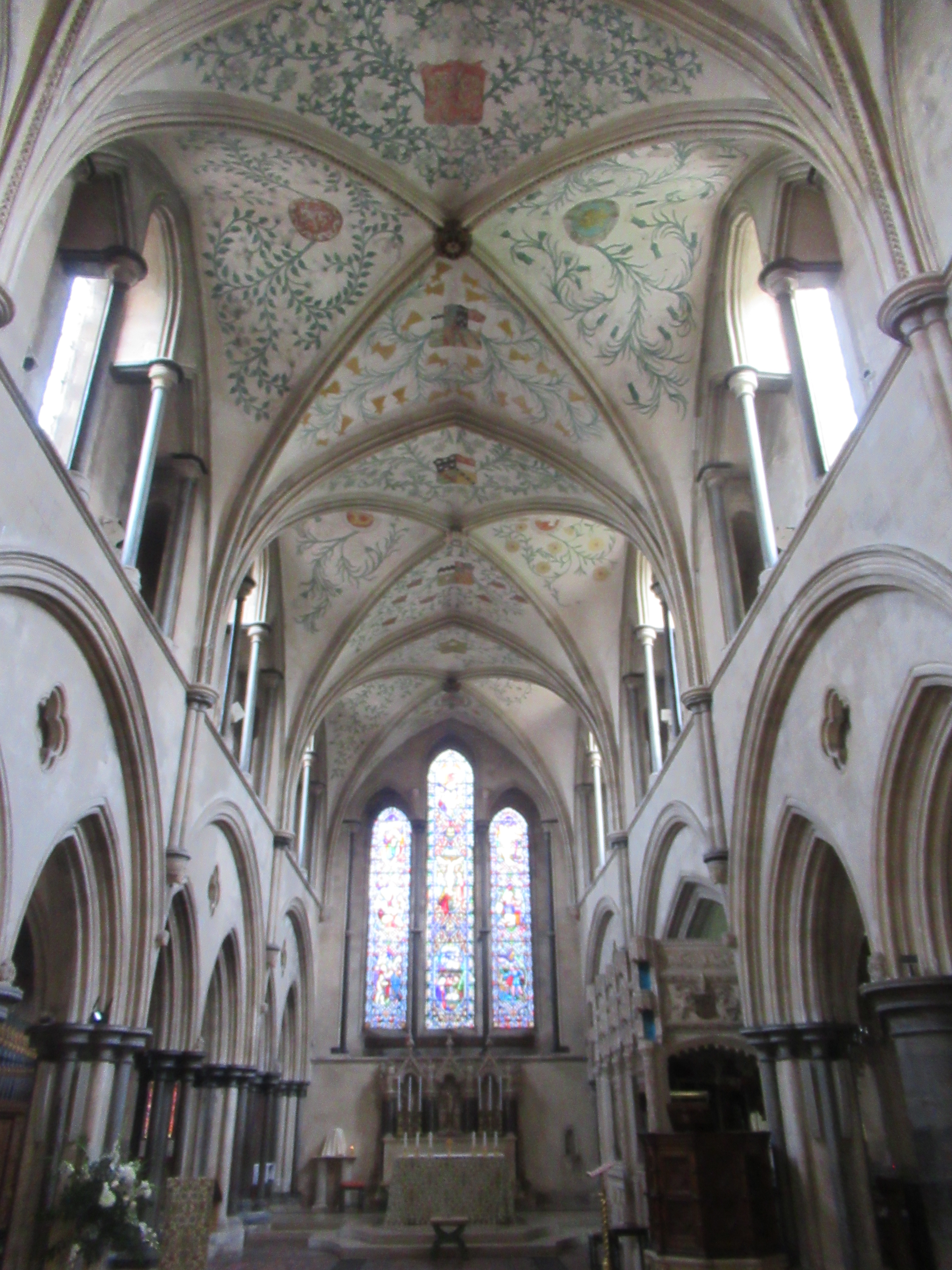
The rest of the afternoon is spent wandering around town, including the very attractive Bishop’s Palace Gardens and along part of the city walls, as well as a quick bus trip to the picture-postcard village of Boxgrove, just outside the city, to visit a ruined priory.
It is evening when I return to Chichester so I catch the bus back to East Wittering, where I finish off with a night-time Chinese take-away on the beach.
Stubcroft Farm Camping, East Wittering (£26)
 Vole Explosion
Leave a comment