TWITCHING ALDEBURGH’S ALPINE ACCENTOR
29th October 2022
I’m back on the east coast of Suffolk again. Two weeks after the Red Deer rut weekend and a week after a London theatre trip, I had intended to stay at home this weekend and do some long-overdue housework. My oven needs cleaning and Henry the Hoover has been gathering more dust on the outside than the inside lately. However, my plans quickly change on Friday when I read news of an Alpine Accentor near Aldeburgh – found on Thursday and still present on Friday. I’ve seen one before, in Armenia in 2014, so it isn’t a lifer but it would be a tick on my British list.
The Alpine Accentor isn’t the most strikingly beautiful of birds, but it is subtly attractive. A step up from a ‘Little Brown Job’, it is mostly grey and brown with a chestnut wash across the flanks and lower belly. The main draw is its rarity in the UK. This will be only the 40th seen here, and they don’t tend to hang around for long – it will be remarkable if this bird stays for a third day.
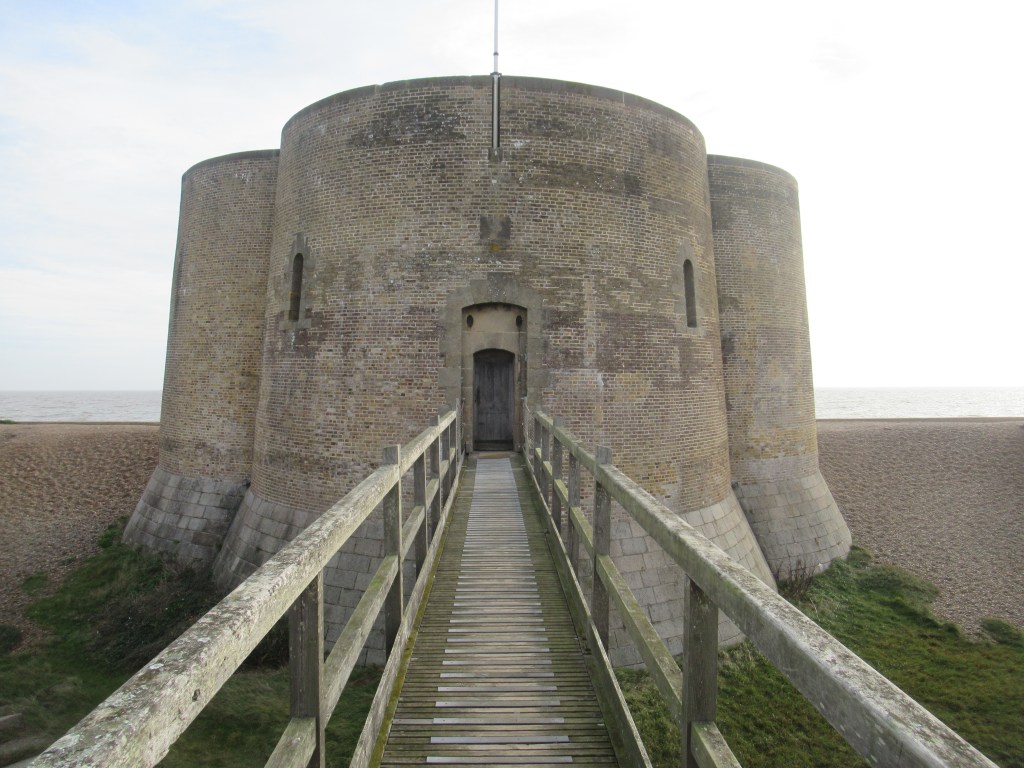
As the name suggests, it is found in rocky, high altitude habitats across Europe and Asia, with the nearest ones being in the Alps. With East Anglia being famously devoid of alps, this individual has improvised on the coastal shingle and low vegetation, using one of the many Martello towers from the Napoleonic Wars that dot the southern and eastern coasts of England as an impromptu cliff face on which to roost at night.
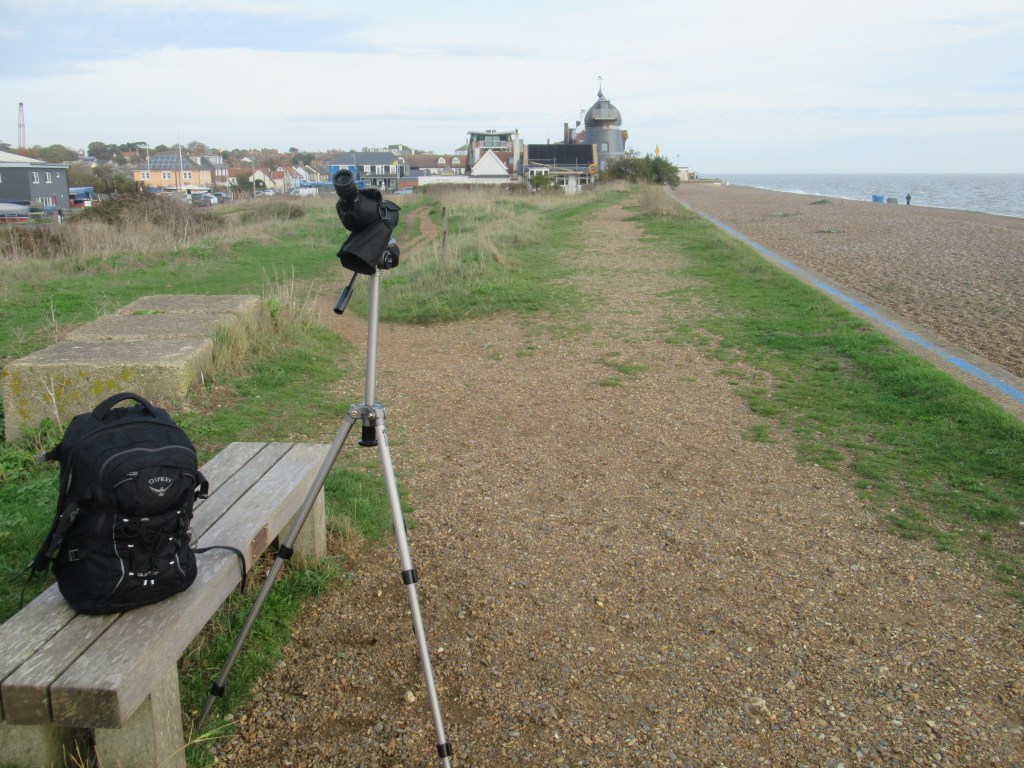
I leave home at 6am and get a soaking on the way to the station. On the train to Saxmundham I check the latest reports and am pleased to find that it was seen just after 7am and again at 7.30am. It was still dark then, so presumably someone has impatiently spotlighted the bird at its roost site – a bit naughty but at least it’s still here, which is never guaranteed. There is a phenomenon in twitching called ‘The Friday Night Flit’, when a rare bird has been present through the week only to disappear on a Friday night, leaving those of us who can only get away at the weekend disappointed. Fortunately, this Alpine Accentor doesn’t seem to know what day it is and has stuck around to be admired by the mob. I just have to get to the Martello tower and there it will be. Easy, right?
I check the internet again a bit later and it seems that the bird had been spotlighted repeatedly until it had enough, left the roost site, and flew off across the River Alde and into the distance. Bollocks! Why do some birders not know how to behave around birds? The unnamed torch-wielders aren’t the most popular people at the moment, judging by the comments on the web. I’m almost there now, so too late to turn back.
“We’re heading straight to the east coast
Deep Six Textbook – Let’s Eat Grandma
It’s just gone bitter”
When I arrive in Aldeburgh, I walk down to the Martello tower at the northern end of Orford Ness. The track is lined with cars, each containing a disgruntled twitcher or two. I speak to a few people and many of them are fuming. Understandable really – they will have arrived here from all parts of the country, many driving through the night only to find the bird has been flushed. There’s a small chance it may return, especially later if it has become attached to this particular roost site. Until then there’s nothing much I can do. Fortunately, Aldeburgh is a very attractive town and there is plenty of birding habitat here, so there are worse places to spend a day.

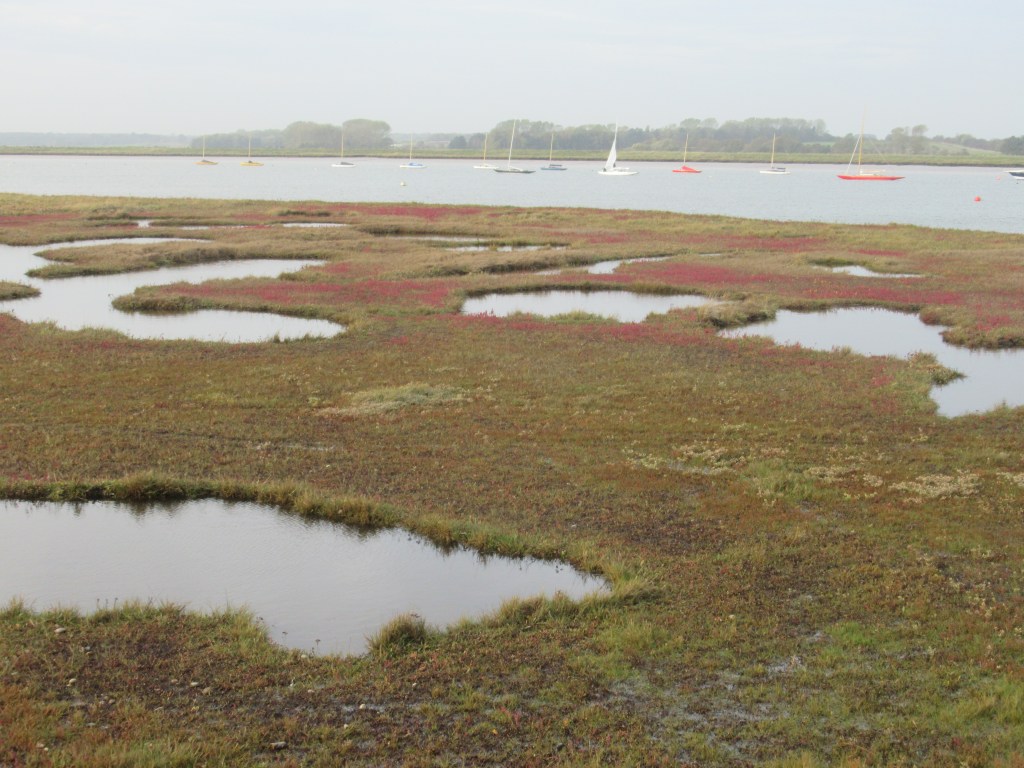
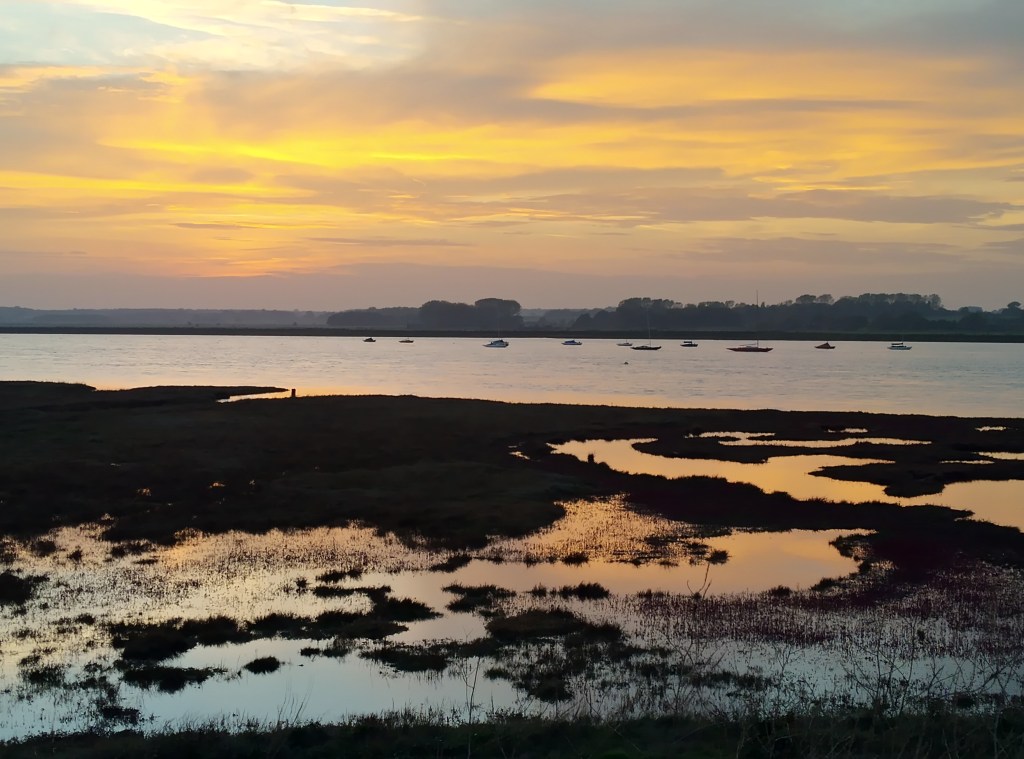
I decide to go for a walk along a raised path that follows the River Alde around Aldeburgh Marshes, then loops back into the town. There are decent numbers of waders here on the riverside mudflats or on the grazing marshes: c50 Redshanks, 5+ Curlews, small numbers of Dunlin, Turnstones and Black-tailed Godwits, c50 Lapwings dotted across the marshes, 3 Oystercatchers and 4 Avocets. A flock of 50+ Golden Plovers are flying around. 8+ Little Egrets are present, along with c25 Wigeon, 3 Shelducks, a few Teal and Mallards, 20 Egyptian Geese, 100+ Greylag Geese, and a few Brent Geese.
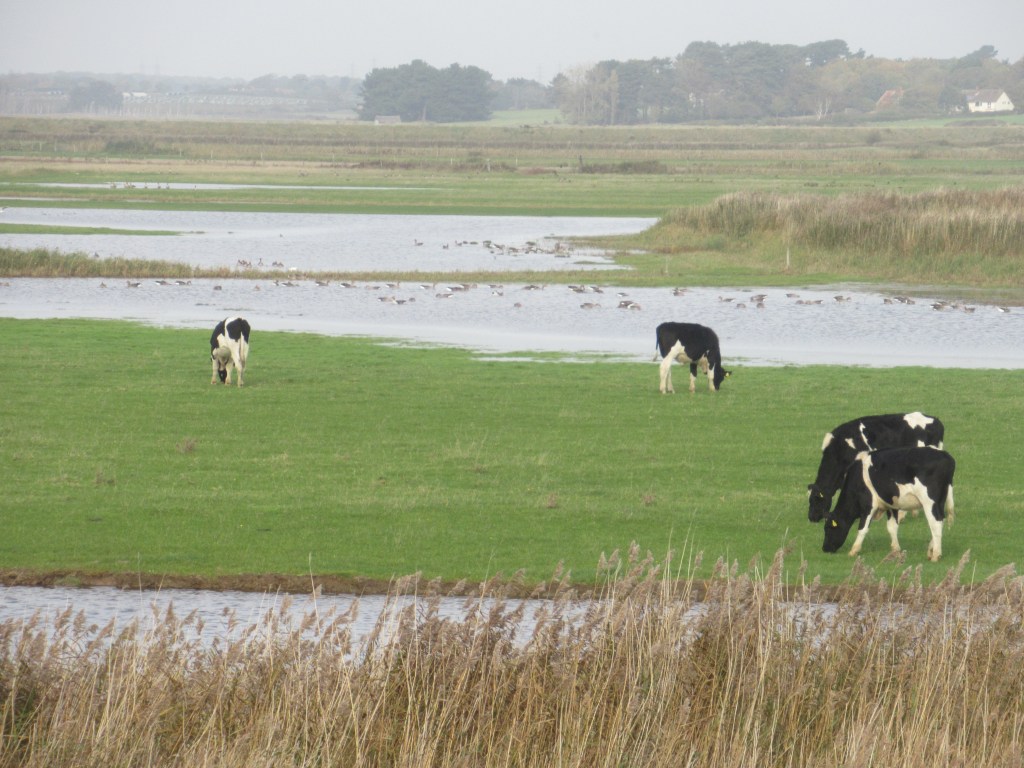
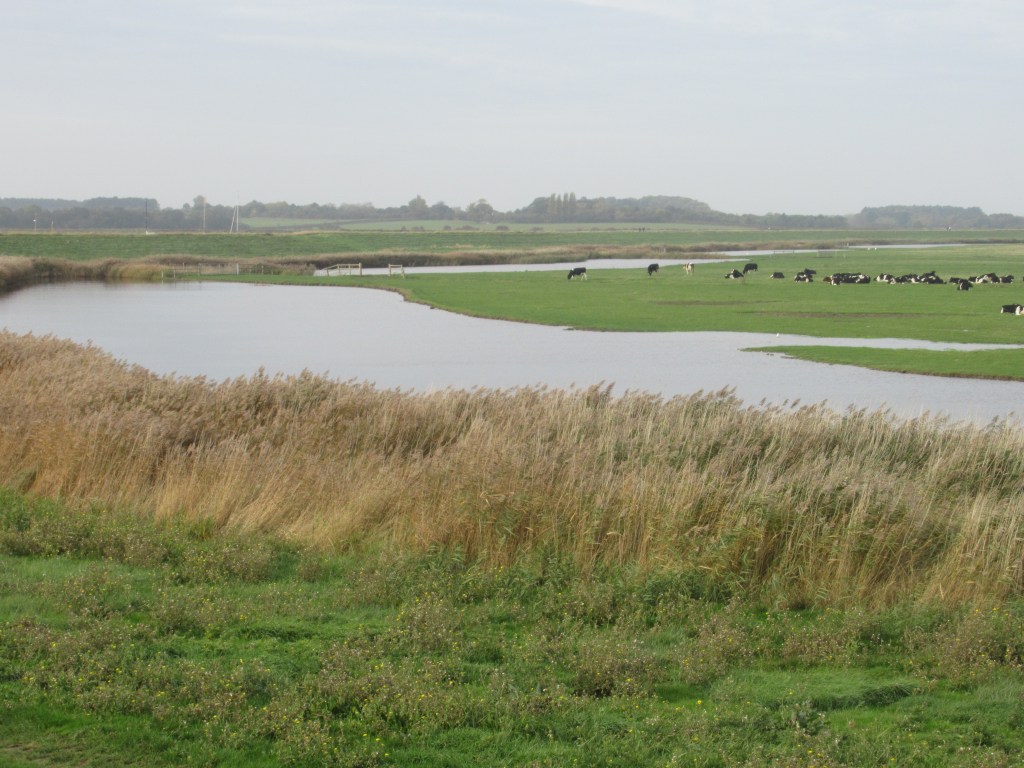
I find at least three Rock Pipits amongst the far more numerous Meadow Pipits. Rock Pipits are a fairly common breeding bird around the rocky coasts of northern and western Britain, but those on the estuaries of the south-east are winter migrants from Scandinavia. Some of the pipits are flushed by a hunting female Sparrowhawk that flies low over the marshes.
Despite the warm weather, this is definitely winter birding now. In the end I count 47 different bird species. Just to rub salt into the wounds, the final bird I see is a Dunnock back in Aldeburgh town. Sometimes known as a Hedge Accentor, this bird belongs in the same family as its missing Alpine cousin.
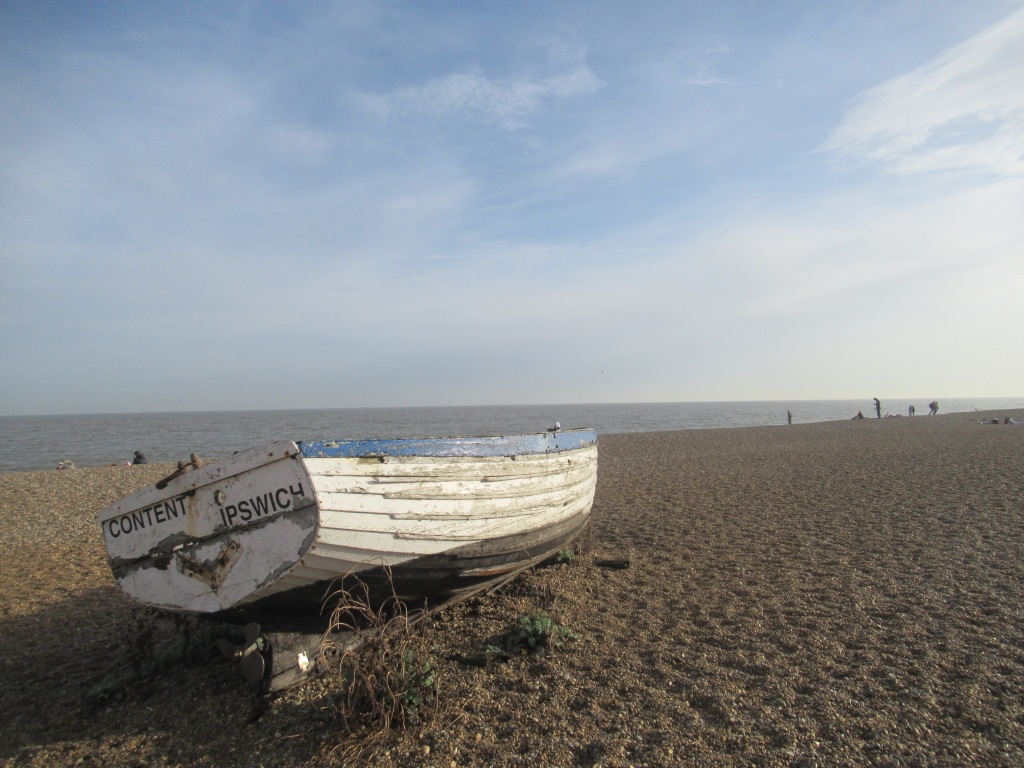
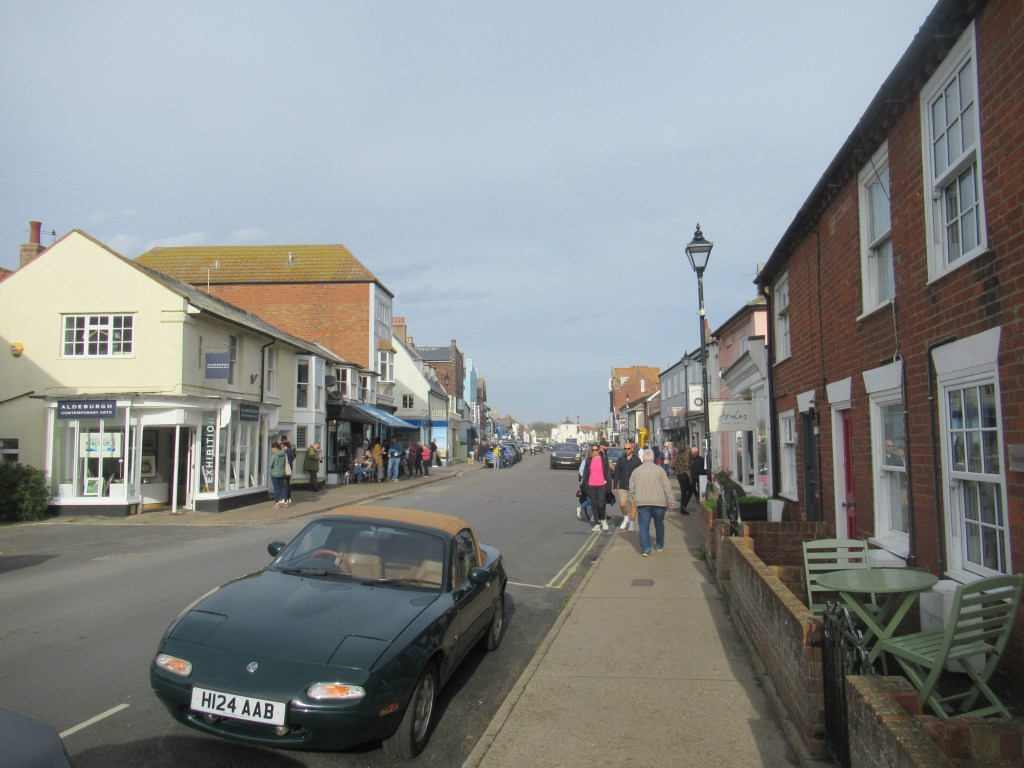
Once back in the town the sun has come out and I have a walk around, take some photos, visit a couple of pubs, and try a smoked herring and Roquefort tart from one of the seafood shacks doing a roaring trade along the beach.
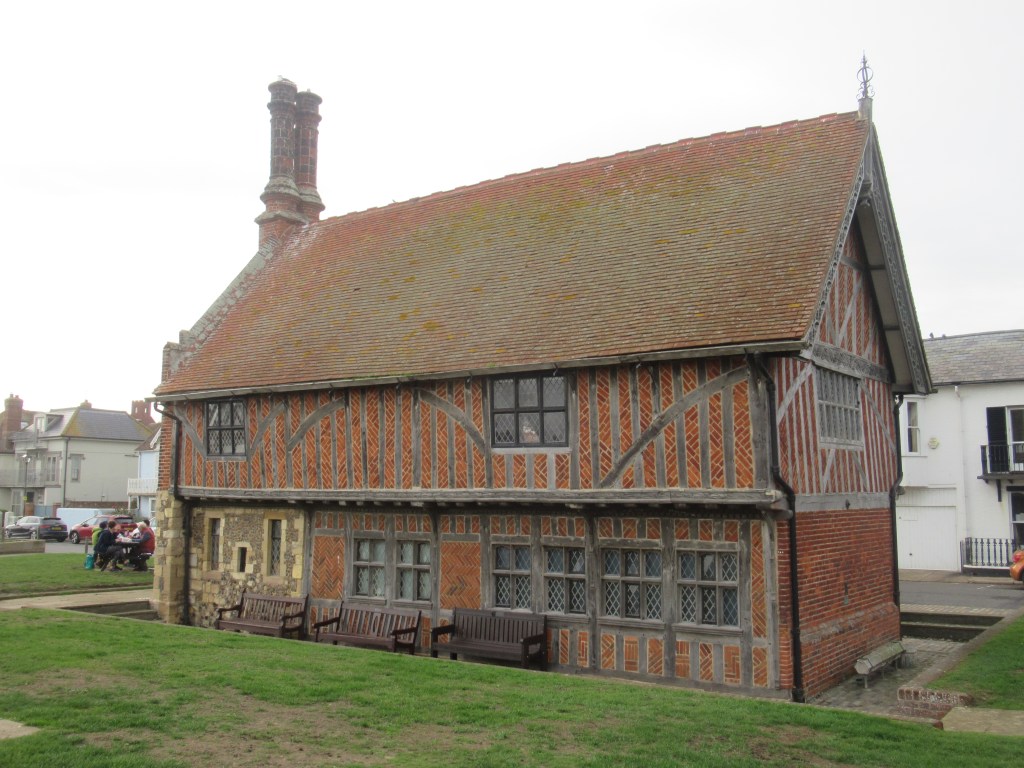
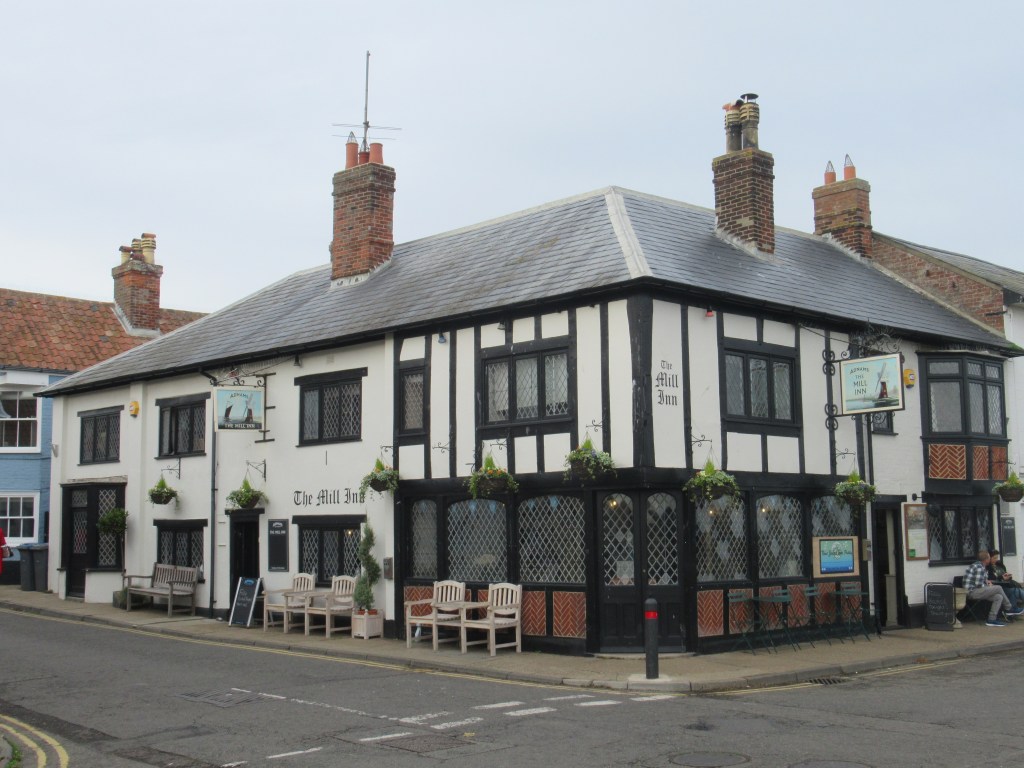

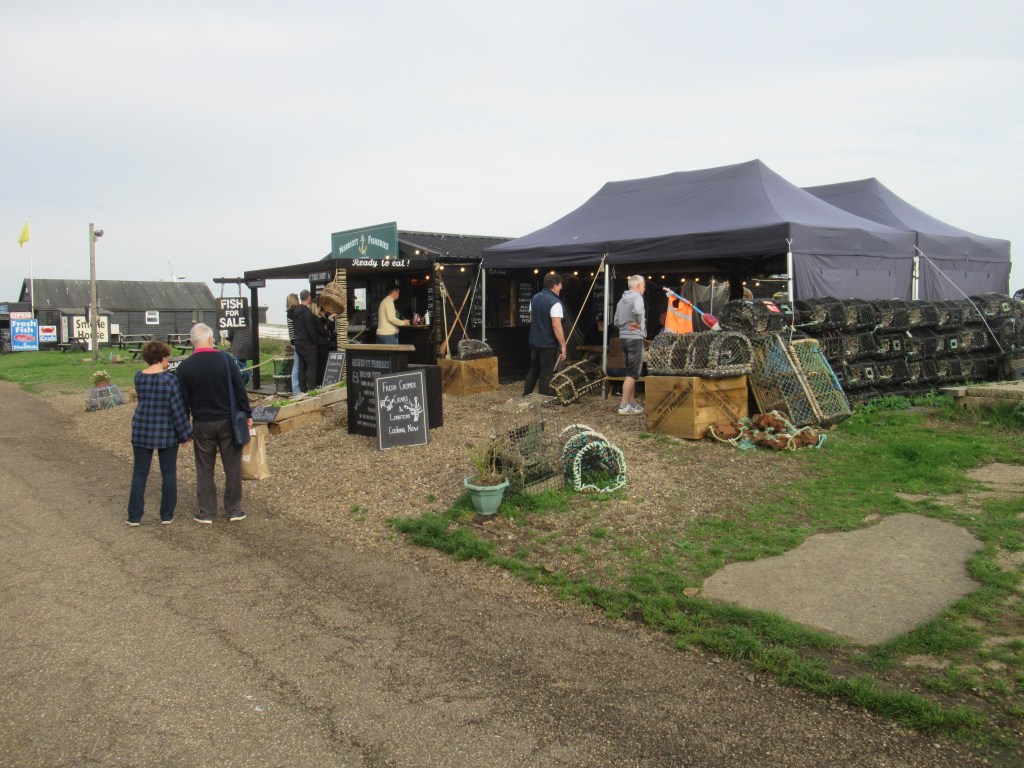
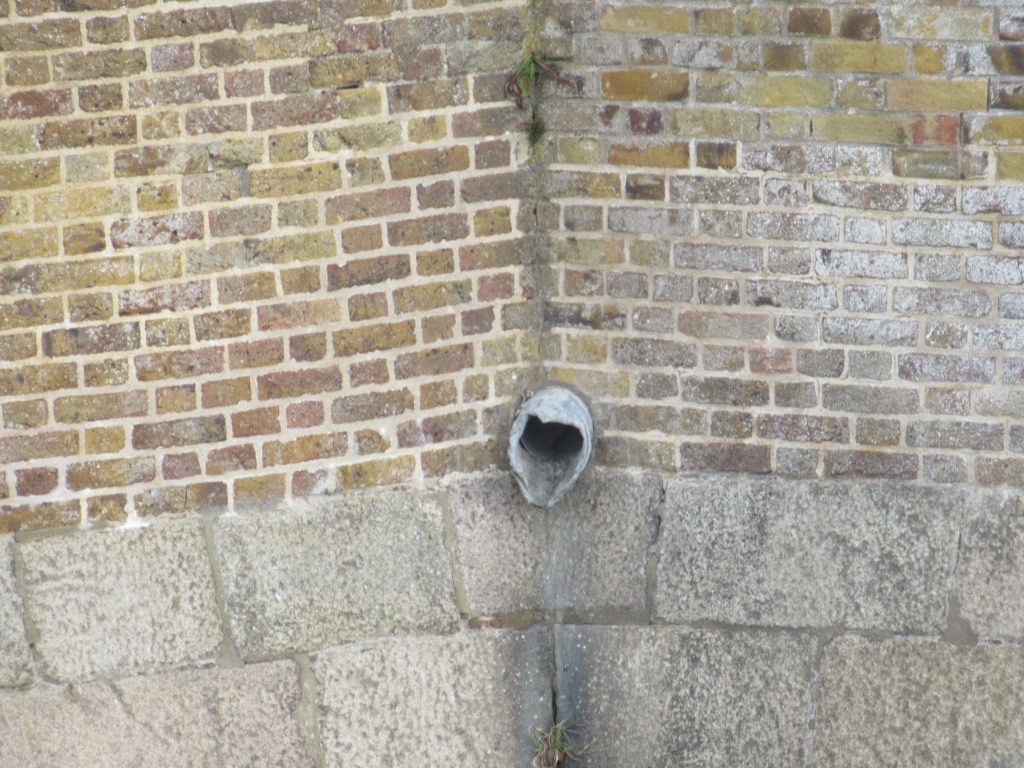
In the late afternoon I head back to the Martello tower in case the Accentor decides to come back to its roost site on a short piece of pipe protruding from the wall. This is the birding equivalent of American football’s ‘Hail Mary Pass’, with very little chance of success, but I would hate to get back on the train and read that it turned up just after I left. I see a total of about five Grey Seals swimming past close inshore, and some larger flocks of Dunlins, Turnstones, Black-tailed Godwits, and Brent Geese flying in to roost on the river. A flock of about 500 Golden Plovers flies over at height.
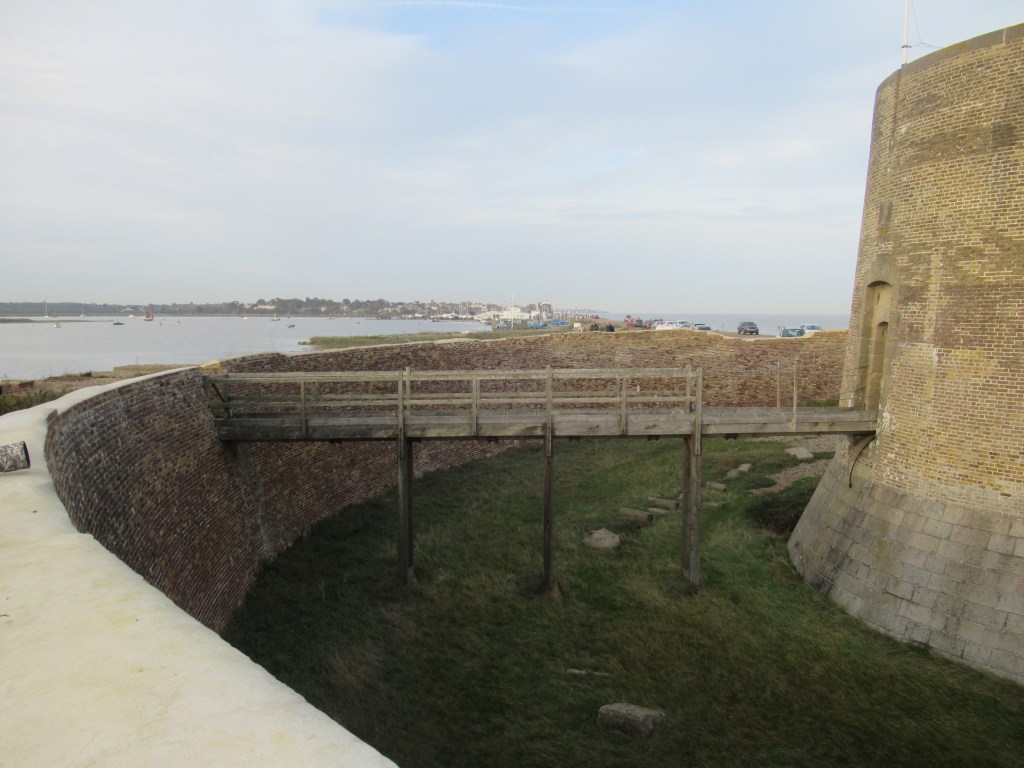
There are approximately 50 hopeful birders gathered here but the bird doesn’t materialise. The last two nights it has gone to roost at 5.40pm. I’m able to stay a few minutes beyond this but then have to go off to catch the last bus to Saxmundham at 6pm. The Alpine Accentor is never seen again. In twitching parlance this is known as ‘Dipping’ – failing to connect with a rare bird that you have travelled to see. It’s all part of the game and you just have to suck it up.
In other news, I later find out that the story about the bird being flushed by spotlights is fake news. There was no torchlight and the bird left its roost at the same time as it did on Friday, but it just chose to move on today. This didn’t stop large numbers of birders, including me, from cursing some imaginary, unknown miscreant that we read about online. This nicely illustrates another wonderful aspect of the British birding scene: the enthusiastic readiness to descend into sniping, back-biting and accusations of wrongdoing before all the facts are in. What fun!
 Vole Explosion
Leave a comment